TPO Roofing Systems for Coon Rapids Commercial Buildings
Commercial property owners in Coon Rapids face unique challenges when selecting roofing systems that can withstand Minnesota's harsh climate while providing long-term value. TPO roofing systems have emerged as a leading solution for flat and low-slope commercial buildings throughout the region, offering exceptional durability, energy efficiency, and cost-effectiveness that makes them particularly well-suited for the demanding weather conditions common in Anoka County.
TPO, or Thermoplastic Polyolefin, represents a single-ply roofing membrane technology that combines the benefits of traditional roofing materials with modern manufacturing innovations. These systems feature heat-welded seams that create watertight barriers capable of protecting commercial structures from water infiltration, UV damage, and temperature extremes that characterize Minnesota winters and summers.
Understanding TPO Membrane Construction and Performance
TPO membranes consist of three distinct layers that work together to provide comprehensive protection for commercial buildings. The top layer features a weathering surface designed to resist UV radiation, ozone exposure, and chemical degradation from atmospheric pollutants. The middle layer contains the membrane's structural reinforcement, typically consisting of polyester or fiberglass scrim that provides dimensional stability and puncture resistance. The bottom layer incorporates adhesive properties that facilitate proper installation over various substrate materials.
The manufacturing process for TPO membranes involves calendaring or extrusion techniques that create consistent thickness throughout the material. This uniformity ensures predictable performance characteristics across the entire roof surface, eliminating weak points that could compromise the system's integrity over time. Modern TPO formulations include advanced stabilizers and antioxidants that extend the membrane's service life while maintaining flexibility in extreme temperature conditions.
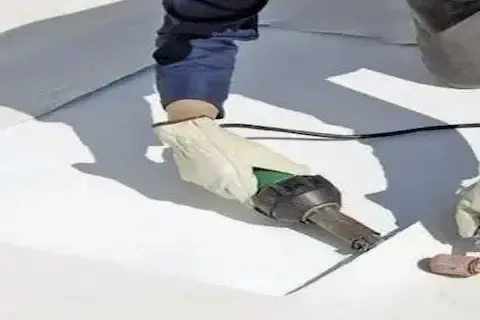
Heat-welding technology represents one of TPO's most significant advantages over alternative single-ply systems. During installation, technicians use specialized equipment to create molecular bonds between membrane sheets, resulting in seams that are actually stronger than the base material itself. This welding process eliminates the potential for adhesive failure that can occur with systems relying on tapes or liquid adhesives for seam integrity.
Installation Methods and System Configurations
TPO roofing systems accommodate three primary installation methods, each suited to different building conditions and performance requirements. Fully adhered systems involve bonding the entire membrane surface to the roof deck using compatible adhesives, providing maximum wind uplift resistance and eliminating the potential for membrane billowing during high-wind events.
Mechanically attached systems utilize specially designed fasteners and plates to secure the membrane at predetermined intervals, allowing for thermal movement while maintaining structural integrity. This installation method often proves more cost-effective than full adhesion while still providing excellent performance in most commercial applications throughout Coon Rapids and surrounding areas.
Ballasted systems rely on the weight of stone or pavers to hold the membrane in place, requiring minimal penetrations through the roofing system. However, ballasted installations require adequate structural capacity to support the additional dead load and may not be suitable for all commercial buildings in the region.
TPO Roofing installations require careful attention to detail during the substrate preparation phase. The roof deck must be clean, dry, and free from debris or protrusions that could damage the membrane. Insulation boards, when specified, must be properly secured and provide a smooth surface for membrane application.
Energy Efficiency and Reflective Properties
TPO membranes are manufactured in white and light gray colors that provide exceptional solar reflectance, helping commercial building owners reduce cooling costs during Minnesota's warm summer months. The reflective properties of TPO systems can contribute to LEED certification points and may qualify for utility rebates or tax incentives designed to promote energy-efficient building practices.
The Energy Star program recognizes qualifying TPO products that meet specific solar reflectance and thermal emittance criteria. These high-performance membranes can reduce roof surface temperatures by 50 degrees or more compared to traditional dark-colored roofing materials, translating directly into reduced HVAC loads and lower energy consumption.
TPO's thermal performance extends beyond solar reflectance to include excellent resistance to thermal shock. The membrane's flexibility allows it to accommodate the expansion and contraction cycles that occur as temperatures fluctuate throughout the day and across seasons, preventing the stress cracking that can affect less flexible roofing materials.
Durability Factors in Minnesota Climate Conditions
Minnesota's climate presents unique challenges for commercial roofing systems, including freeze-thaw cycles, ice dam formation, and temperature swings that can exceed 100 degrees between winter lows and summer highs. TPO membranes demonstrate exceptional performance in these conditions due to their flexible polymer composition and advanced weathering resistance.
The membrane's resistance to ozone degradation becomes particularly important in urban environments where atmospheric pollutants can accelerate material deterioration. TPO formulations include stabilizers that neutralize ozone and other oxidizing agents, maintaining the membrane's integrity throughout its expected service life.
Puncture resistance represents another critical performance factor for commercial applications. TPO membranes can withstand the impact from hail, falling debris, and foot traffic associated with routine maintenance activities. The reinforcement layer within the membrane provides additional strength while maintaining the flexibility necessary for thermal movement accommodation.
Chemical resistance properties make TPO systems suitable for commercial buildings that may experience exposure to industrial emissions, kitchen exhausts, or other potentially corrosive substances. The membrane's inert polymer composition resists degradation from oils, acids, and alkaline substances that could compromise other roofing materials.
Maintenance Requirements and System Longevity
TPO roofing systems require minimal maintenance when properly installed and inspected regularly. Routine maintenance activities include clearing drains and gutters, removing debris accumulation, and inspecting seams and penetrations for signs of wear or damage. The smooth surface of TPO membranes facilitates easy cleaning and prevents the accumulation of dirt and biological growth that can affect other roofing materials.
Preventive maintenance programs should include bi-annual inspections, preferably conducted in spring and fall to identify any issues before they can compromise the system's performance. Professional inspections can detect minor problems such as loose fasteners, damaged flashings, or membrane scratches that can be addressed before they lead to water infiltration.
The expected service life of TPO systems typically ranges from 20 to 30 years, depending on installation quality, maintenance practices, and environmental exposure conditions. Many manufacturers provide warranties that reflect this longevity, offering property owners confidence in their roofing investment.
When repairs are necessary, TPO systems offer significant advantages over other single-ply materials. Patches can be heat-welded to create permanent repairs that maintain the membrane's monolithic integrity, and the availability of compatible accessories ensures that repairs blend seamlessly with the existing system.
Cost Considerations and Return on Investment
The initial cost of TPO roofing systems compares favorably with other commercial roofing options while providing superior long-term value through energy savings, reduced maintenance requirements, and extended service life. Material costs for TPO have remained relatively stable compared to petroleum-based alternatives, making budget planning more predictable for commercial property owners.
Installation costs vary based on system configuration, building complexity, and local labor rates. However, the efficiency of TPO installation methods often results in shorter project durations compared to built-up or modified bitumen systems, reducing labor costs and minimizing business disruption for occupied buildings.
N/A - First Post Energy savings from TPO's reflective properties can provide substantial returns over the system's service life, particularly for buildings with significant cooling loads. The reduction in peak demand charges and overall energy consumption often justifies the initial investment within a few years of installation.
Many utility companies in the Minneapolis-St. Paul metropolitan area offer rebates for energy-efficient roofing systems that meet specific performance criteria. These incentives can offset a portion of the initial installation cost while providing ongoing energy savings throughout the system's life.
Local Installation Considerations for Coon Rapids
Coon Rapids' location in Anoka County requires specific consideration of local building codes, wind load requirements, and snow load calculations when designing TPO roofing systems. The region's exposure to severe weather events, including straight-line winds and occasional tornadoes, necessitates proper attachment methods and edge securement details.
Local permitting requirements may specify minimum R-values for roof insulation, which can be easily incorporated into TPO system designs. The compatibility of TPO membranes with various insulation types provides flexibility in meeting energy code requirements while optimizing system performance.
The timing of TPO installations in Minnesota requires coordination with weather patterns to ensure optimal installation conditions. While TPO can be installed in cooler temperatures than some alternatives, proper planning ensures that heat-welding operations can be completed effectively and that adhesive curing occurs within specified parameters.
Access to qualified contractors familiar with local conditions and TPO installation requirements becomes crucial for project success. Contractors experienced with Minnesota's climate conditions understand the importance of proper insulation details, vapor barrier considerations, and drainage design that accounts for snow loading and ice dam prevention.
Professional Installation and Quality Assurance
The performance of TPO roofing systems depends heavily on proper installation techniques and quality control measures implemented throughout the construction process. Professional installers undergo manufacturer training programs that cover system design, installation procedures, and quality assurance protocols specific to TPO technology.
Quality assurance during TPO installation includes seam testing to verify the integrity of heat-welded joints, adhesion testing for fully adhered systems, and comprehensive inspections of flashings and penetration details. These testing procedures ensure that the completed system meets manufacturer specifications and warranty requirements.
Third-party inspections may be required for certain projects or warranty programs, providing additional assurance that installation standards have been met. These inspections typically occur at critical milestones during construction and upon project completion, documenting compliance with specifications and industry standards.
The selection of experienced contractors familiar with TPO systems and local conditions significantly impacts project outcomes. Contractors should demonstrate proper licensing, insurance coverage, and manufacturer certifications that qualify them to install warranted TPO systems.
