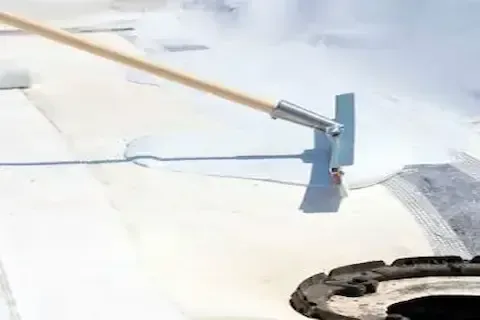
Acrylic Roof Coating Choices for Coon Rapids Owners
Acrylic roof coatings are water-based elastomeric membranes applied directly over existing commercial roofing substrates. For Coon Rapids property owners, acrylic is typically the lowest-cost fluid-applied coating option, running roughly $0.50–$1.50 per square foot in materials. It reflects UV well, extends roof life, and recoats easily every five to ten years. The tradeoff is ponding tolerance — standing water degrades acrylic faster than silicone or urethane. If your flat roof drains fully within 48 hours, acrylic is a strong candidate. If not, a different coating chemistry deserves consideration before you commit.
What Makes Acrylic Coating Different From Silicone and Urethane?
All three are fluid-applied systems, but the chemistry drives different real-world behavior. Acrylic coatings cure by water evaporation, which means application is temperature and humidity dependent — a meaningful factor during Coon Rapids spring and fall seasons when overnight lows can dip unexpectedly. Silicone cures by moisture in the air and tolerates ponding water indefinitely without softening or degrading. Urethane coatings offer the hardest surface and the best foot traffic resistance, making them preferable on roofs with HVAC technician access points or rooftop equipment pads.
For most Minnesota commercial rooftops with adequate slope and proper drainage, acrylic hits the right balance of cost, reflectivity, and recoatability. If your building's roof drains clean after a rainstorm, you are not giving up meaningful performance by choosing acrylic over silicone. You are, however, saving real money at installation and keeping future recoat costs lower because acrylic accepts new acrylic without surface grinding or primer in most cases.
How Does Minnesota Climate Affect Acrylic Coating Performance?
Coon Rapids sits in USDA Hardiness Zone 4b, meaning roof surfaces regularly cycle through freeze-thaw stress between October and April. Elastomeric acrylic coatings are formulated to flex with this movement — a quality roof-grade acrylic will elongate 100–300% before failing, which absorbs substrate contraction overnight and expansion on a sunny afternoon. That elastomeric characteristic is what separates a roof coating product from standard exterior paint.
The vulnerability in this climate is application timing. Acrylic cannot be applied when surface temperatures are below 50°F or when rain is expected within 24 hours. For Coon Rapids contractors, that effectively limits reliable application windows to late May through early September. A reputable Roof Coating Systems contractor will schedule your project accordingly and will not push application into marginal weather to hit a deadline.
What Does Acrylic Coating Cost Compared to Other Options?
Material and labor costs vary by substrate condition, coating thickness, and roof accessibility, but these general ranges apply across the Coon Rapids commercial market:
- Acrylic coating: $1.50–$3.50 per square foot installed, depending on mil thickness and number of coats
- Silicone coating: $2.00–$4.50 per square foot installed, with higher material costs offset somewhat by single-coat application in some cases
- Urethane coating: $2.50–$5.00 per square foot installed, justified when impact resistance or heavy foot traffic is a documented need
Recoat cycles also affect long-term economics. Acrylic recoats typically run every five to seven years in Minnesota conditions. Silicone can stretch to ten years or beyond but requires specialized primers when a different coating type is applied over it in the future — which adds cost and limits flexibility. Acrylic keeps your options open at the next recoat cycle.
Is Acrylic Coating Appropriate for Every Coon Rapids Commercial Roof?
No. Acrylic coating performs best over the following substrates when they are in sound structural condition: modified bitumen, metal, SPF foam, and certain single-ply membranes like TPO or EPDM when properly primed. It is not appropriate over wet insulation, significantly blistered membrane, or active leaks. A coating applied over compromised substrate will fail early regardless of product quality.
Before any coating project at a Coon Rapids commercial property, an infrared or nuclear moisture scan should confirm the deck is dry. Many roofing failures attributed to coating products are actually failures of the underlying wet or deteriorated substrate that should have been addressed — or the roof replaced — before coating was considered. Reviewing your roof coating system options with a contractor who will perform a proper substrate assessment first is the right starting point.
What Are the Most Common Mistakes Property Owners Make With Acrylic Coatings?
The most frequent errors seen on Coon Rapids commercial properties fall into three categories:
- Applying over problem drainage: Acrylic and ponding water do not coexist long-term. Owners who coat a roof with known drainage issues typically see premature coating failure within two to three seasons.
- Under-application: Acrylic must be applied at the manufacturer-specified wet mil thickness — typically 20–30 wet mils per coat — to achieve rated performance. Spreading product thin to reduce cost is the leading cause of early failure and voided warranties.
- Skipping primer on certain substrates: EPDM, granulated modified bitumen, and some metal profiles require a bonding primer before acrylic topcoat. Skipping primer to save time results in delamination.
How Should Coon Rapids Owners Evaluate Coating Contractors?
Ask any contractor bidding your project to provide the following before you sign: a written substrate assessment identifying any areas requiring repair before coating, the specific product name and manufacturer data sheet for the proposed coating, application thickness in wet mils per coat, the warranty offered by the manufacturer on the installed system, and references from commercial coating projects completed in Anoka County or the surrounding metro area within the last three years.
Manufacturer-backed warranties — often called contractor-applied warranties or system warranties — require the installer to be certified or approved by the coating manufacturer. Not every contractor bidding acrylic coating work in the Coon Rapids area holds those certifications. A certified installer gives you a direct warranty path through the manufacturer if application defects emerge, separate from any contractor warranty that becomes worthless if the company closes.
