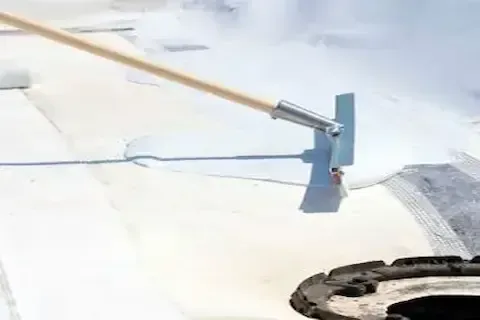
Roof Coating Systems for Coon Rapids Commercial Buildings
Understanding Commercial Roof Coating Systems
Commercial roof coating systems represent a cost-effective solution for extending the life of your existing roofing membrane while improving energy efficiency and weather resistance. These liquid-applied materials create a seamless protective barrier over your current roof surface, eliminating the need for complete roof replacement in many cases. For Coon Rapids commercial property owners, roof coating systems offer significant advantages in Minnesota's challenging climate conditions.
Modern coating technologies have evolved to address specific performance requirements including UV resistance, thermal cycling, moisture protection, and chemical resistance. The application process transforms aging roof surfaces into renewed protective systems that can add 10-20 years of service life when properly applied and maintained.
Types of Roof Coating Systems Available
Silicone roof coatings dominate the commercial market due to their exceptional weathering characteristics and proven track record. These single-component systems cure by reacting with atmospheric moisture, forming a durable elastomeric membrane that maintains flexibility across extreme temperature ranges. Silicone coatings excel in ponding water situations and provide superior UV stability without chalking or degrading over time.
Acrylic roof coatings offer excellent reflectivity and are often specified for their energy-saving properties. Water-based formulations provide easy application and cleanup while delivering strong adhesion to various substrate materials. These coatings perform exceptionally well in areas with minimal ponding water and provide cost-effective protection for properly draining roof systems.
Polyurethane coatings deliver outstanding abrasion resistance and impact protection, making them ideal for rooftops with regular foot traffic or mechanical equipment. Two-component urethane systems create extremely durable surfaces that resist punctures, tears, and chemical exposure while maintaining long-term flexibility.
Butyl rubber coatings provide excellent adhesion to difficult substrates and offer superior resistance to extreme weather conditions. These coatings work particularly well on modified bitumen systems and can bridge minor cracks and gaps in the existing membrane.
Substrate Compatibility and Preparation Requirements
Successful coating application depends heavily on proper substrate evaluation and preparation. EPDM membranes require thorough cleaning and may need primer application to ensure adequate adhesion. TPO and PVC membranes often need surface preparation to remove manufacturing residues and create proper bonding conditions.
Modified bitumen systems typically accept most coating types readily but require removal of loose granules and repair of any blisters or separations. Built-up roofing systems need evaluation for thermal shock damage and may require base coat application before the final coating system.
Metal roof substrates require rust removal, primer application, and careful attention to thermal movement considerations. The coating system must accommodate the expansion and contraction cycles that occur with temperature changes throughout Minnesota's seasonal extremes.
Concrete and masonry substrates need moisture content evaluation and may require specialized primers to prevent coating failures. Surface porosity and alkalinity levels can affect coating performance and must be addressed during the preparation phase.
Surface Cleaning and Repair Protocols
Power washing removes accumulated dirt, biological growth, and loose materials that could interfere with coating adhesion. Allow adequate drying time before coating application, typically 24-48 hours depending on weather conditions and substrate porosity.
Crack and seam repairs must be completed using compatible materials before coating application. storm damage roof repair help may be necessary to address more extensive damage before coating application can proceed.
Application Methods and Quality Control
Spray application provides the most efficient coverage for large commercial roof areas, allowing for uniform thickness control and faster project completion. Airless spray equipment delivers consistent material flow while minimizing overspray and waste. Proper spray technique requires experienced technicians who understand material behavior and weather limitations.
Roller application works well for smaller areas and detail work around penetrations, edges, and equipment. This method provides excellent material control and allows for precise thickness application in critical areas. Multiple thin coats typically perform better than single thick applications.
Weather conditions critically affect coating performance and must be monitored throughout the application process. Temperature, humidity, wind speed, and precipitation forecasts all influence application timing and curing characteristics.
Thickness Control and Coverage Rates
Wet film thickness gauges ensure proper material application rates and help prevent both under-application and waste. Most coating systems specify minimum dry film thickness requirements that directly affect warranty coverage and long-term performance.
Coverage rates vary significantly based on substrate condition, surface texture, and application method. Smooth surfaces require less material than heavily textured or porous substrates. Accurate material calculations prevent job delays and cost overruns.
Energy Efficiency and Cool Roof Benefits
Reflective roof coatings can reduce surface temperatures by 50-80 degrees Fahrenheit compared to dark conventional roofing materials. This temperature reduction translates directly into lower air conditioning costs during Coon Rapids' summer months while reducing thermal stress on the building envelope.
Cool roof coatings meet ENERGY STAR requirements and may qualify for utility rebates or tax incentives. The thermal performance of coated roofs helps building owners achieve LEED certification points and demonstrates environmental stewardship.
Solar reflectance and thermal emittance values determine a coating's cool roof performance. High-quality reflective coatings maintain their solar reflectance over time, providing sustained energy savings throughout their service life.
Maintenance Requirements and Inspection Protocols
Annual roof inspections help identify minor issues before they become major problems. Look for areas of coating wear, ponding water, debris accumulation, and penetration seal integrity. Early detection and repair prevent water infiltration and extend coating system life.
Routine cleaning removes dirt and biological growth that can reduce reflective properties and accelerate coating degradation. Pressure washing or soft washing techniques restore surface appearance and performance characteristics.
Traffic patterns and equipment installations may require periodic touch-up applications to maintain continuous protection. High-wear areas benefit from additional coating applications or protective walkway systems.
Warranty Compliance and Documentation
Manufacturer warranties typically require annual inspections and maintenance records to remain valid. Proper documentation protects your investment and ensures warranty coverage for material and installation defects.
Professional maintenance programs help property owners maintain warranty compliance while extending coating system life. Roof Coating Systems require ongoing attention to deliver their full performance potential.
Climate Considerations for Anoka County Applications
Minnesota's freeze-thaw cycles place significant stress on roofing materials and coating systems. Proper material selection and application techniques help coatings survive repeated thermal cycling without cracking or delaminating from the substrate.
Ice dam formation can create challenging conditions for any roofing system. Coating systems must maintain flexibility and adhesion even when subjected to ice loading and water backup situations common in northern climates.
Wind-driven rain and snow create additional challenges for roof coating performance. Seamless application and proper edge details help prevent water infiltration during severe weather events typical of the Twin Cities metropolitan area.
UV exposure levels in Minnesota require coatings with proven long-term stability. High-quality formulations resist chalking, color fade, and physical property degradation even after years of intense summer sun exposure.
Cost Analysis and Return on Investment
Roof coating systems typically cost 20-40% less than complete roof replacement while providing substantial service life extension. The cost differential makes coating an attractive option for building owners seeking to maximize their roofing investment.
Energy savings from reflective coatings can offset installation costs over time through reduced cooling expenses. Cool roof benefits become more significant as energy costs increase and environmental regulations tighten.
Avoided replacement costs represent the largest financial benefit of coating systems. Extending roof life by 15-20 years defers major capital expenditures while maintaining reliable weather protection.
Tax incentives and utility rebates may be available for energy-efficient roof coating installations. These programs reduce net project costs and improve overall return on investment calculations.
Professional Installation Considerations
Successful coating applications require experienced contractors with proven track records in commercial roofing. Proper surface preparation, material handling, and application techniques directly affect long-term performance and warranty coverage.
Quality control measures during installation prevent common problems that lead to premature coating failure. Thickness measurements, adhesion testing, and weather monitoring ensure optimal application conditions and material performance.
Insurance and bonding requirements protect property owners from contractor default and workmanship defects. Verify contractor credentials and financial stability before project commencement to avoid complications during or after installation.
Local building code compliance ensures installations meet minimum performance standards and safety requirements. Permit requirements vary by jurisdiction and project scope, making local expertise valuable for smooth project completion.
