Commercial Roof Inspection Plan for Coon Rapids Owners
Understanding Commercial Roof Inspection Requirements
Your commercial property in Coon Rapids faces unique roofing challenges from Minnesota's harsh weather patterns. A comprehensive inspection plan protects your investment by identifying potential problems before they escalate into costly repairs or interior damage. Professional roof inspections should occur at least twice yearly, with additional checks following severe weather events that frequently impact Anoka County businesses.
Commercial roofing systems require systematic evaluation of multiple components working together. Unlike residential roofs, commercial structures typically feature flat or low-slope designs with complex drainage systems, multiple penetrations for equipment, and membrane materials that demand specialized knowledge. Your inspection plan must account for these variables while addressing the specific climate conditions that affect buildings throughout the Coon Rapids area.
Establishing a regular inspection schedule prevents minor issues from becoming major structural problems. Early detection of membrane deterioration, flashing failures, or drainage blockages can save thousands in repair costs and protect your business operations from weather-related disruptions.
Essential Inspection Components and Procedures
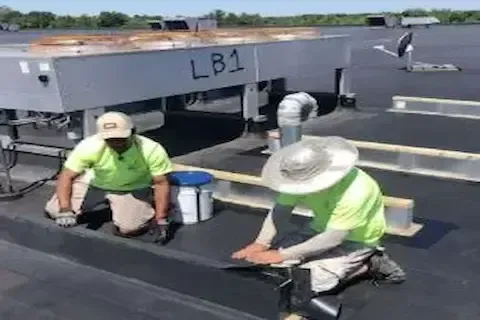
A thorough commercial roof inspection covers surface conditions, structural elements, and water management systems. Begin with visual assessment of the membrane surface, looking for punctures, tears, blistering, or areas where the material has pulled away from substrates. Pay particular attention to high-traffic zones around HVAC equipment and areas exposed to foot traffic during maintenance activities.
Flashing inspection requires careful examination of all penetrations, edges, and transitions. Check metal flashings for corrosion, loose fasteners, or separation from adjacent materials. Examine caulked joints and sealed connections for cracking or deterioration that could allow water infiltration. Document any areas where flashing appears to be lifting or where sealants have hardened and lost adhesion.
Drainage system evaluation involves inspecting gutters, downspouts, scuppers, and interior drains for blockages or damage. Test drainage capacity during inspection visits, especially after significant rainfall. Look for standing water that persists more than 48 hours after precipitation, as this indicates inadequate drainage that can lead to membrane degradation and structural stress.
Interior inspections complement exterior evaluations by revealing water damage that may not be visible from above. Check ceilings, walls, and structural elements for staining, mold growth, or other signs of moisture intrusion. Document these findings with photographs and measurements to track changes over time.
Seasonal Inspection Timing and Weather Considerations
Spring inspections in Coon Rapids should focus on winter damage assessment and preparation for the active weather season ahead. Snow and ice accumulation can stress roofing systems, while freeze-thaw cycles may cause expansion and contraction damage to membranes and flashings. Schedule spring inspections after snow melt but before the peak storm season begins.
Summer inspections emphasize heat-related issues and storm damage evaluation. High temperatures can accelerate membrane aging and cause thermal movement in roofing materials. Following severe thunderstorms common in Minnesota summers, conduct immediate damage assessments to identify hail damage, wind-lifted materials, or debris impact.
Fall inspections prepare your roof for winter conditions while addressing issues that developed during the active weather season. Clean drainage systems of accumulated debris, check for loose materials that could be affected by winter winds, and ensure all penetrations and flashings are properly sealed before freezing temperatures arrive.
Winter inspections may be limited by weather conditions but should include monitoring for ice dam formation, excessive snow loads, and emergency damage from severe storms. Maintain safe access procedures and consider professional assistance for winter inspections due to hazardous conditions.
Documentation and Record-Keeping Systems
Effective inspection programs require comprehensive documentation that tracks roof condition changes over time. Create inspection reports that include detailed photographs, measurements of problem areas, and written descriptions of all findings. Use consistent photography angles and reference points to enable accurate comparison between inspection periods.
Develop standardized inspection checklists that ensure consistent evaluation procedures regardless of who conducts the inspection. Include specific measurement criteria for common problems such as membrane deterioration, flashing gaps, or ponding water depths. This consistency enables trend analysis and helps predict when preventive maintenance or replacement may be necessary.
Maintain digital records that can be easily accessed and shared with roofing contractors, insurance adjusters, or property management teams. Include warranty information, previous repair records, and vendor contact information within your documentation system. Regular backup procedures protect this valuable information from loss.
Consider implementing digital inspection tools such as drone photography or thermal imaging for comprehensive documentation. These technologies can reveal problems not visible during traditional walk-through inspections and provide detailed records for future reference.
Identifying Critical Warning Signs
Membrane blistering indicates trapped moisture or air beneath roofing materials and requires immediate attention to prevent larger failures. Look for raised areas that feel soft or spongy underfoot, particularly in areas with high sun exposure or near heat sources. Small blisters may be repairable, but extensive blistering often indicates broader system problems.
Seam failures represent critical vulnerabilities in membrane roofing systems. Examine all seams for separation, lifting, or gaps that could allow water penetration. Test seam integrity by gently lifting edges to check adhesion. Failed seams require prompt professional repair to maintain weather resistance.
Ponding water creates multiple problems including accelerated membrane aging, increased structural loads, and ideal conditions for algae or vegetation growth. Measure standing water depth and area coverage, documenting persistence after dry periods. Significant ponding may require drainage improvements or structural modifications.
Equipment-related damage often occurs around HVAC units, exhaust fans, or other rooftop installations. Check for oil stains, chemical damage, foot traffic wear, or mechanical damage from equipment maintenance activities. These areas frequently require specialized repair materials resistant to chemical exposure.
Professional Assessment and Maintenance Planning
While property owners can conduct basic visual inspections, professional evaluation provides expertise in identifying subtle problems and recommending appropriate solutions. Commercial Roof Inspection specialists understand local building codes, material specifications, and repair techniques specific to Minnesota's climate conditions.
Professional inspectors use specialized tools and techniques not available to property owners. Infrared thermography can detect hidden moisture or insulation problems, while core sampling may be necessary to evaluate substrate conditions or membrane adhesion. These advanced diagnostic methods provide detailed information for maintenance planning.
Develop relationships with qualified commercial roofing contractors before problems occur. Emergency repairs during severe weather or peak construction seasons may be delayed or more expensive than planned maintenance performed during optimal conditions. Regular professional inspections help schedule necessary work during favorable periods.
Consider warranty requirements when planning inspection schedules and selecting service providers. Many commercial roofing warranties require regular professional inspections and proper maintenance documentation to remain valid. Ensure your inspection program meets these requirements to protect warranty coverage.
Cost-Benefit Analysis and Budget Planning
Regular inspection costs represent a small fraction of emergency repair expenses or premature roof replacement. Calculate the total cost of ownership for your roofing system, including inspection fees, preventive maintenance, and projected replacement costs. This analysis demonstrates the financial value of proactive management.
Insurance considerations may affect inspection frequency and documentation requirements. Some carriers offer premium discounts for properties with documented maintenance programs, while others may require specific inspection protocols following weather events. Consult with your insurance agent about inspection requirements and potential cost savings.
Budget planning should account for both routine inspection costs and potential repair expenses identified during evaluations. Establish reserve funds for anticipated maintenance based on roof age and condition. Understanding the connection between preventive care and roof longevity helps justify inspection program expenses.
Track repair costs and frequency to evaluate the effectiveness of your inspection program. Properties with consistent inspection schedules typically experience lower overall maintenance costs and fewer emergency situations. This data supports budget requests and demonstrates the value of proactive roof management.
Local Climate and Environmental Factors
Coon Rapids' location in Anoka County exposes commercial buildings to significant temperature variations, heavy snow loads, and severe weather events that stress roofing systems. Understanding these local conditions helps tailor inspection procedures to address the most likely problems. Winter temperatures can drop well below zero while summer heat may exceed 90 degrees, creating expansion and contraction cycles that affect all roofing materials.
Industrial activities in the greater Minneapolis metro area can contribute to environmental factors affecting roof longevity. Air quality, chemical exposure, and debris from surrounding activities may accelerate material degradation or create unique maintenance requirements. Include environmental assessment in your inspection procedures.
For property owners seeking additional information about proper installation techniques, understanding flat roof installation basics provides valuable context for identifying installation-related problems during inspections. Poor installation practices often become apparent during detailed evaluations.
Regional building codes and weather resistance requirements specific to Minnesota influence inspection criteria and repair standards. Stay informed about code updates that may affect your property and ensure inspection procedures address current regulatory requirements.
