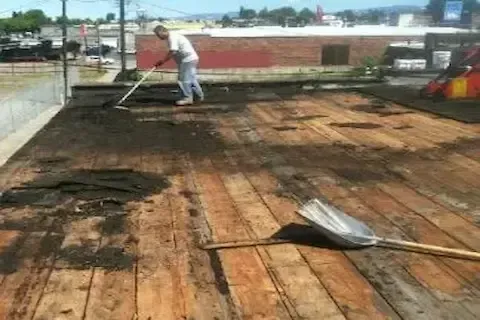
Flat Roof Installation for Coon Rapids Business Owners
Your commercial building's flat roof installation represents one of the most critical infrastructure investments you'll make as a Coon Rapids business owner. Unlike pitched residential roofing systems, flat roofing requires specialized expertise in membrane technologies, drainage engineering, and thermal performance to protect your valuable commercial assets. The process involves multiple integrated systems working together to create a watertight, energy-efficient barrier that can withstand Minnesota's harsh weather cycles for decades.
Modern flat roof installation has evolved significantly beyond the basic tar and gravel systems of previous generations. Today's installations incorporate advanced materials like modified bitumen, EPDM rubber membranes, TPO thermoplastics, and built-up roofing systems designed specifically for commercial applications. Each material offers distinct advantages depending on your building's specific requirements, budget constraints, and performance expectations.
Deck Preparation and Structural Assessment
The foundation of any successful flat roof installation begins with comprehensive deck preparation and structural evaluation. Your roofing contractor must thoroughly assess the existing structural deck to ensure it can support the new roofing system's weight and thermal stresses. This process typically involves removing all existing roofing materials down to the structural deck, allowing for complete inspection of the underlying support system.
Structural decking materials in commercial applications commonly include concrete, metal decking with concrete fill, or engineered wood products. Each substrate requires specific preparation techniques to ensure proper membrane adhesion and long-term performance. Concrete decks must be properly cleaned, with any cracks or imperfections repaired using appropriate sealants or patching compounds. Metal decking systems require careful inspection of fastener patterns and potential corrosion issues that could compromise the new roof system.
The deck preparation phase also involves installing proper vapor retarders when required. These barriers prevent moisture migration from the building interior into the roofing system, which could cause insulation degradation, membrane blistering, or structural damage over time. Professional contractors understand the critical importance of vapor retarder placement and will specify the appropriate materials based on your building's use and indoor humidity levels.
Insulation Systems and Thermal Performance
Insulation selection and installation represent crucial components of modern flat roof systems, directly impacting your building's energy efficiency and operational costs. Polyisocyanurate (polyiso) foam boards have become the industry standard for commercial flat roof insulation due to their superior R-value per inch, moisture resistance, and compatibility with various membrane systems.
Proper insulation installation requires careful attention to joint sealing, fastener patterns, and thermal bridging prevention. Insulation boards must be tightly fitted together with joints staggered to eliminate thermal weak points. Mechanical fasteners or adhesive attachment methods depend on the specific roof system design and local wind uplift requirements established by Minnesota building codes.
Tapered insulation systems have become increasingly popular for flat roof installations because they create positive drainage toward roof drains and scuppers. Rather than relying solely on structural slope, tapered insulation eliminates ponding water issues that can significantly reduce membrane lifespan. Your contractor will calculate precise tapered layouts to ensure water flows efficiently off your roof surface within 24 hours after precipitation events.
Energy efficiency considerations extend beyond basic thermal resistance values. Modern insulation systems must also address thermal bridging through structural elements, air infiltration around penetrations, and reflective properties that reduce cooling loads during summer months. The Flat Roof Installation process includes careful coordination of these thermal performance elements to maximize your building's operational efficiency.
Membrane Technologies and Installation Methods
Membrane selection represents the most visible aspect of your flat roof installation, but the underlying installation methodology proves equally important for long-term performance. Each membrane type requires specific installation techniques, seaming methods, and quality control procedures to ensure waterproof integrity.
Modified bitumen systems utilize torch-applied or cold-adhesive installation methods, creating robust waterproof barriers particularly suitable for high-traffic roof areas or buildings subject to thermal cycling. These systems typically consist of base sheets mechanically fastened to the deck, followed by cap sheets that provide weather resistance and UV protection. The installation process requires experienced technicians capable of achieving proper seam overlap and adhesion temperatures.
EPDM rubber membrane systems offer excellent flexibility and puncture resistance, making them ideal for buildings subject to settlement or thermal movement. Installation involves fully adhering the membrane to the substrate using contact adhesives, with seams created using specialized tapes and sealants. Proper EPDM installation requires careful surface preparation and precise seaming techniques to prevent water infiltration.
TPO thermoplastic membranes have gained popularity due to their heat-weldable seams and excellent reflective properties. Installation involves mechanically fastening the membrane to the substrate, then heat-welding all seams using specialized equipment that creates molecular bonds stronger than the base material. This installation method requires certified technicians trained in proper welding temperatures and seam inspection procedures.
Drainage Design and Water Management
Effective water management systems separate successful flat roof installations from premature failures. Your roof's drainage design must account for precipitation intensity, roof area calculations, and redundant drainage paths to prevent water accumulation during severe weather events.
Primary drainage systems typically consist of roof drains positioned at low points, connected to interior downspout systems that carry water away from the building foundation. Drain placement requires careful coordination with the building's structural framing and interior layout to ensure proper pipe routing without compromising structural integrity.
Secondary drainage systems provide overflow protection during heavy precipitation or primary drain blockages. Scuppers, overflow drains, or controlled flow edge systems ensure water cannot accumulate beyond safe structural limits. Minnesota's climate requires robust secondary drainage due to potential ice dam formation and rapid snowmelt events that can overwhelm primary systems.
Edge details and perimeter drainage require specialized installation techniques to prevent water infiltration around roof edges, penetrations, and transitions. These critical areas often experience the highest stress concentrations and thermal movement, requiring reinforced membrane installations and regular maintenance attention.
Penetration Sealing and Equipment Integration
Commercial buildings typically require numerous roof penetrations for HVAC equipment, plumbing vents, electrical conduits, and communication systems. Each penetration represents a potential water infiltration point requiring specialized sealing techniques integrated with the primary membrane system.
Mechanical equipment installations require coordinated planning between roofing contractors and equipment suppliers. Proper equipment mounting systems distribute loads across multiple structural points while maintaining membrane integrity around mounting hardware. Vibration isolation and thermal expansion accommodation prevent stress concentrations that could compromise membrane performance over time.
Pipe penetrations utilize specialized boot systems or lead-coated sleeves that integrate with the membrane system. These components must accommodate thermal movement, structural settlement, and maintenance access while maintaining waterproof integrity throughout the roof system's service life.
The commercial roof replacement process often reveals inadequate penetration sealing from previous installations, emphasizing the importance of proper detailing during new construction or renovation projects.
Quality Control and Installation Standards
Professional flat roof installation requires comprehensive quality control measures throughout every phase of construction. Material storage, weather monitoring, and installation sequencing all impact final system performance and warranty coverage.
Material handling procedures ensure membrane and insulation products maintain their specified properties during storage and installation. Temperature-sensitive materials like modified bitumen require controlled storage environments, while mechanically-fastened systems need precise fastener spacing and penetration depth control.
Weather monitoring becomes critical during membrane installation phases. Most roofing materials have specific temperature, humidity, and precipitation requirements for proper installation. Professional contractors maintain weather monitoring equipment and adjust work schedules to ensure optimal installation conditions.
Inspection protocols verify proper installation at each construction phase. Deck preparation, insulation placement, membrane installation, and detail work all require systematic inspection and documentation to maintain warranty compliance and ensure long-term performance.
Anoka County Climate Considerations
Minnesota's challenging climate places unique demands on flat roofing systems that contractors must address during design and installation. Temperature extremes, freeze-thaw cycling, and heavy snow loads require specialized material selection and installation techniques.
Winter performance considerations include snow load capacity, ice dam prevention, and thermal shock resistance. Proper insulation and vapor control prevent interior heat from reaching the roof surface, reducing ice formation and thermal cycling stress on membrane materials.
Summer performance requirements focus on UV resistance, thermal expansion accommodation, and reflective properties that reduce cooling loads. Light-colored membrane systems and proper ventilation design help manage thermal stress and reduce energy consumption during peak cooling seasons.
Precipitation management must account for Minnesota's intense thunderstorms and rapid snowmelt events. Oversized drainage systems and redundant water removal paths prevent structural overloading and water infiltration during extreme weather conditions.
Long-term Performance and Maintenance Planning
Successful flat roof installations require ongoing maintenance programs to achieve their designed service life. Preventive maintenance protocols identify and address minor issues before they become major problems requiring extensive repairs or premature replacement.
Regular inspection schedules should include bi-annual roof surveys, immediate post-storm assessments, and detailed documentation of roof conditions. Professional maintenance programs in Coon Rapids typically include drain cleaning, membrane inspection, sealant renewal, and equipment mounting verification.
Warranty compliance requires adherence to manufacturer-specified maintenance procedures and professional documentation of all maintenance activities. Most commercial roofing warranties include specific maintenance requirements that void coverage if not properly followed.
Planning for eventual roof replacement during initial installation helps building owners budget for future capital improvements. Quality installations with proper maintenance can exceed their designed service life, providing excellent return on investment for commercial property owners throughout Anoka County.
