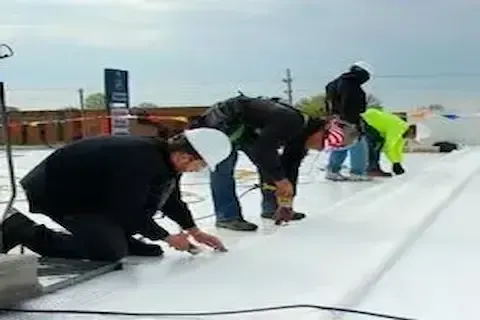
Commercial Roof Repair for Coon Rapids Property Owners
Understanding Commercial Roof Repair Needs in Coon Rapids
Commercial roof repair in Coon Rapids requires specialized knowledge of the unique weather challenges facing Anoka County businesses. Your building's roof system endures extreme temperature fluctuations, heavy snow loads, and intense summer heat that can compromise membrane integrity over time. Understanding when repairs are necessary and what methods deliver lasting results protects your property investment and maintains operational continuity.
Most commercial buildings in the Coon Rapids area feature flat or low-slope roofing systems that require different repair approaches than residential pitched roofs. These systems rely on membrane integrity, proper drainage, and sealed penetrations to prevent water infiltration. When any component fails, immediate professional intervention prevents minor issues from escalating into costly structural damage.
Professional Commercial Roof Repair services address membrane punctures, seam separations, flashing deterioration, and drainage problems that commonly affect buildings throughout the region. Prompt repairs maintain your roof's protective barrier and extend system lifespan significantly.
Common Commercial Roofing Problems Requiring Repair
Membrane damage represents the most frequent repair need for commercial properties. Punctures from foot traffic, equipment installations, or debris impact can create immediate leak risks. These breaches allow moisture penetration that damages insulation, structural components, and interior finishes if left unaddressed.
Seam failures occur when membrane sections separate due to thermal expansion, improper installation, or aging adhesives. These separations create vulnerable areas where water can penetrate the roofing system. Professional seam repair involves cleaning, re-adhering, and sealing affected areas to restore waterproof integrity.
Flashing problems around roof penetrations, parapet walls, and equipment curbs frequently cause leaks. Deteriorated sealants, loose fasteners, or damaged metal components allow water entry at these critical transition points. Flashing repair or replacement addresses these vulnerabilities before interior damage occurs.
Ponding water creates ongoing problems on flat commercial roofs with inadequate drainage. Standing water accelerates membrane deterioration, promotes biological growth, and adds structural stress. Repair solutions include improving drainage systems, adding tapered insulation, or installing additional drains to eliminate ponding areas.
Professional Repair Techniques and Materials
Membrane patching techniques vary based on your roofing system type and damage extent. EPDM rubber membranes require specialized primers and patch materials that chemically bond with the existing surface. TPO and PVC systems use heat welding or solvent welding to create seamless repairs that match original installation quality.
Modified bitumen repairs involve applying compatible materials using torch application or cold adhesive methods. These repairs must extend beyond damaged areas to ensure proper overlap and adhesion. Professional contractors select materials that match your existing membrane specifications for optimal compatibility.
Flashing repairs often involve removing deteriorated components and installing new materials with proper overlap sequences. Metal flashing requires appropriate fastening patterns and sealant applications that accommodate thermal movement. Membrane flashing repairs use compatible materials and installation techniques that integrate seamlessly with your roof system.
Coating applications can address widespread membrane deterioration or provide additional protection for aging systems. Acrylic, silicone, or polyurethane coatings offer different performance characteristics suited to specific conditions. Professional application ensures proper surface preparation, thickness consistency, and curing conditions for maximum effectiveness.
Emergency Repair Procedures
Emergency repairs address immediate leak situations that threaten interior spaces or operations. Temporary measures might include membrane patches, sealant applications, or protective covering installation until permanent repairs can be completed. These interventions prevent additional damage while maintaining building functionality.
Storm damage repairs require rapid response to prevent weather-related deterioration. High winds can lift membrane edges, hail can puncture surfaces, and debris can damage equipment or create penetrations. Emergency contractors prioritize leak stopping measures before implementing comprehensive repair solutions.
Repair vs Replacement Decision Factors
Age and condition assessment determines whether repair or replacement provides better long-term value. Roofs nearing the end of their expected lifespan may benefit from replacement rather than ongoing repair investments. Professional evaluation considers system age, damage extent, and projected maintenance costs to recommend the most economical approach.
Damage scope influences repair feasibility significantly. Localized problems typically respond well to targeted repairs, while widespread deterioration may indicate system-wide replacement needs. Energy efficiency considerations also factor into these decisions, as newer systems offer improved insulation and reflectivity benefits.
Budget constraints often necessitate prioritizing immediate repairs while planning for eventual replacement. Strategic repair approaches can extend system life sufficiently to allow proper replacement planning and budgeting. This phased approach maintains building protection while optimizing capital expenditure timing.
Building use requirements affect repair timing and methods. Manufacturing facilities, retail operations, and office buildings have different tolerance levels for disruption during repair work. Professional contractors coordinate repair schedules to minimize operational impact while ensuring work quality.
Local Weather Considerations for Coon Rapids Repairs
Minnesota's freeze-thaw cycles create unique challenges for commercial roof repairs. Temperature fluctuations cause membrane expansion and contraction that can stress repair areas. Professional repairs account for this movement by using flexible materials and installation techniques that accommodate thermal cycling.
Snow loading considerations influence repair material selection and installation timing. Heavy snow accumulation can stress repaired areas, requiring reinforced attachment methods and materials rated for local loading conditions. Spring snowmelt creates additional drainage demands that must be addressed during repair planning.
Summer heat intensity in the Coon Rapids area can exceed 100 degrees on roof surfaces, affecting repair material performance and installation conditions. Professional contractors schedule temperature-sensitive work during optimal conditions and select materials rated for local climate extremes.
Wind exposure varies significantly across Anoka County commercial districts. Buildings in open areas face higher wind loads that influence repair attachment requirements and edge detailing specifications. Local contractors understand these varying exposure conditions and adjust repair methods accordingly.
Seasonal Repair Scheduling
Spring represents optimal timing for comprehensive repair work after winter damage assessment. Moderate temperatures and lower precipitation provide favorable working conditions for membrane work and sealant applications. Spring scheduling also prepares roofs for summer heat stress and storm season challenges.
Fall repairs prepare roofing systems for winter weather demands while taking advantage of stable weather conditions. Completing repairs before cold weather ensures materials cure properly and systems perform reliably during harsh winter months.
Quality Assurance and Warranty Considerations
Professional repair work includes comprehensive quality assurance measures that verify repair effectiveness and system integrity. Post-repair inspections confirm proper material adhesion, seal continuity, and drainage function. These validation steps ensure repairs meet performance standards and warranty requirements.
Material warranties vary significantly based on product type and installation quality. Professional contractors provide both material and workmanship warranties that protect your investment. Understanding warranty terms helps you make informed decisions about repair approaches and contractor selection.
Documentation requirements for warranty compliance include material specifications, installation procedures, and inspection records. Professional contractors maintain detailed records that support warranty claims and facilitate future maintenance planning. This documentation proves invaluable for insurance claims and property transfers.
Regular maintenance schedules help preserve warranty coverage and extend repair effectiveness. Many warranty programs require documented maintenance activities to remain valid. Implementing a commercial roof inspection program ensures compliance while identifying minor issues before they require major repairs.
Cost Factors and Budget Planning
Repair costs vary significantly based on damage extent, material requirements, and access challenges. Simple membrane patches cost substantially less than comprehensive flashing replacement or drainage system modifications. Professional estimates provide detailed breakdowns that help you understand cost drivers and prioritize repair needs.
Emergency repair situations typically involve premium pricing due to urgent response requirements and challenging working conditions. Planning preventive maintenance helps avoid emergency situations while allowing better cost control through scheduled repair programs.
Material selection impacts both initial repair costs and long-term performance. Premium materials often provide better durability and longer warranties that justify higher upfront investments. Professional contractors help balance cost considerations with performance requirements for optimal value.
Access requirements significantly influence repair costs on complex buildings. High-rise structures, buildings with valuable equipment, or facilities requiring special safety protocols increase project complexity and associated costs. Professional contractors factor these requirements into accurate cost estimates.
Financing and Budget Considerations
Many commercial property owners benefit from planned maintenance budgets that allocate funds for anticipated repair needs. Regular roof inspections help predict repair requirements and timing, enabling better budget planning and cost control.
Insurance coverage may apply to storm-related damage or sudden failures, but typically excludes maintenance-related repairs. Understanding your coverage limitations helps plan repair funding and avoid unexpected expenses.
Selecting Qualified Commercial Roofing Contractors
Contractor qualifications directly impact repair quality and longevity. Licensed professionals with commercial roofing specialization understand system complexities and local code requirements. Verify licensing, insurance coverage, and manufacturer certifications before engaging repair services.
Experience with your specific roofing system type ensures proper repair techniques and material selection. Different membrane systems require specialized knowledge and tools for effective repairs. Contractors familiar with your system type provide more reliable results and appropriate warranty coverage.
Local contractors understand Coon Rapids weather challenges and building code requirements specific to Anoka County. This local knowledge influences material selection, installation techniques, and inspection procedures that ensure repairs perform reliably in local conditions.
References and portfolio reviews provide insight into contractor capabilities and work quality. Request examples of similar repair projects and contact references to verify satisfaction levels and repair performance over time. Professional contractors willingly provide this information as evidence of their capabilities.
Professional commercial roof repair protects your Coon Rapids property investment while maintaining operational continuity. Understanding repair options, quality standards, and contractor selection criteria helps you make informed decisions that deliver lasting results. Prompt attention to roofing problems prevents minor issues from escalating into major expenses while preserving your building's protective envelope.
