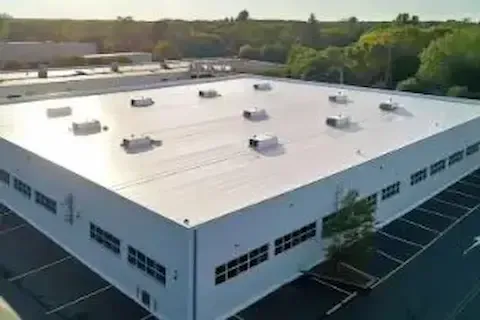
Commercial Roof Replacement for Coon Rapids Buildings
Commercial buildings throughout the Highway 10 corridor in Coon Rapids face unique roofing challenges due to Minnesota's harsh climate conditions. When your existing roof system reaches the end of its useful life, typically after 15-25 years depending on the materials used, a complete replacement becomes necessary to protect your investment and maintain operational efficiency.
The decision to replace rather than repair a commercial roof often comes down to the extent of deterioration, age of the existing system, and long-term cost considerations. Buildings along the busy commercial districts near Foley Boulevard and the Riverdale area frequently require full roof replacement due to the accumulated effects of freeze-thaw cycles, heavy snow loads, and summer heat that characterizes our regional climate.
Understanding Commercial Roof Replacement Process
Complete roof replacement involves removing all existing roofing materials down to the structural deck, inspecting and repairing the underlying substrate, and installing an entirely new roofing system. This comprehensive approach differs significantly from overlay installations or partial repairs, providing the opportunity to address any structural issues that may have developed over time.
The tear-off process begins with careful removal of the existing membrane, insulation, and any compromised decking materials. Professional contractors use specialized equipment to ensure safe and efficient removal while protecting the building's interior and surrounding areas from debris. This phase also allows for thorough inspection of the roof deck, identifying any areas that require structural reinforcement or replacement.
Once the deck preparation is complete, new insulation is installed to meet current energy efficiency standards. Modern commercial roofing systems typically incorporate higher R-values than older installations, resulting in improved thermal performance and reduced energy costs. The insulation layer also provides a stable, even surface for the new membrane installation.
Membrane installation represents the final protective layer of your new roofing system. Whether you choose modified bitumen, EPDM rubber, TPO, or another membrane type, proper installation techniques ensure long-term performance and weather resistance. EPDM rubber roofing overview provides detailed information about one popular membrane option for local commercial buildings.
Timing Considerations for Roof Replacement
Minnesota's climate creates specific windows of opportunity for commercial roof replacement projects. Spring and fall typically offer the most favorable conditions, with moderate temperatures and lower precipitation levels. However, emergency replacements may be necessary during winter months when extensive damage occurs from ice dams or heavy snow loads.
Planning your roof replacement during optimal weather conditions allows contractors to work more efficiently and ensures proper curing of adhesives and sealants. The months between May and October generally provide the best working conditions, though experienced contractors can successfully complete projects year-round when necessary.
Building occupancy schedules also influence project timing. Many Coon Rapids commercial properties benefit from replacement work during slower business periods to minimize disruption to operations. Coordinating with tenants and scheduling around peak business activities helps maintain normal operations throughout the construction process.
Permit requirements and inspection schedules add additional timing considerations. Most commercial roof replacements require building permits, and inspection scheduling can affect project timelines. Working with contractors familiar with local permitting processes helps ensure smooth project progression.
Material Selection for Long-Term Performance
The choice of roofing materials significantly impacts the long-term performance and cost-effectiveness of your replacement project. Single-ply membranes like TPO and EPDM offer excellent durability and energy efficiency, while modified bitumen systems provide proven performance in harsh climates.
Insulation selection affects both thermal performance and roof system longevity. Polyisocyanurate (polyiso) insulation provides excellent R-value per inch, while expanded polystyrene (EPS) offers good moisture resistance. The choice depends on specific building requirements, budget considerations, and local climate factors.
Drainage components require careful attention during material selection. Properly sized roof drains, scuppers, and gutters prevent water accumulation that can lead to premature membrane failure. Minnesota's freeze-thaw cycles make adequate drainage particularly critical for long-term roof performance.
Flashing and penetration details demand high-quality materials and expert installation. These vulnerable areas experience the greatest stress from thermal movement and weather exposure. Using premium flashing materials and proven installation techniques prevents the majority of roof leaks and extends overall system life.
Cost Factors in Commercial Roof Replacement
Several variables influence the total cost of commercial roof replacement projects. Building size represents the most obvious factor, but roof complexity, accessibility, and existing conditions also significantly impact pricing. Buildings with numerous penetrations, irregular shapes, or limited access require additional labor and materials.
The condition of the existing roof deck affects replacement costs. Roofs with significant structural damage require deck repairs or replacement before new roofing installation can proceed. Thorough inspection during the tear-off phase reveals the full extent of any underlying issues.
Insulation upgrades often accompany roof replacement projects, particularly on older buildings with insufficient thermal resistance. While this increases upfront costs, improved insulation typically provides substantial long-term energy savings that offset the additional investment over the roof's service life.
Disposal costs for removed materials add to overall project expenses. The volume of materials removed during tear-off operations can be substantial, particularly on larger commercial buildings. Environmental disposal requirements for certain older roofing materials may also increase disposal fees.
Commercial Roof Replacement services include comprehensive cost analysis and detailed project estimates that account for all necessary components and potential variables specific to your building.
Common Replacement Challenges and Solutions
Weather delays represent one of the most significant challenges during roof replacement projects. Minnesota's unpredictable weather patterns can interrupt work schedules and extend project timelines. Experienced contractors maintain flexible scheduling and use temporary weather protection when necessary to minimize delays.
Coordinating with building occupants requires careful planning and clear communication. Noise, vibration, and temporary disruptions are inevitable during tear-off operations. Professional contractors provide detailed schedules and maintain open communication channels to minimize inconvenience to tenants and building users.
Structural surprises discovered during tear-off can impact project scope and costs. Hidden damage from long-term leaks or structural settling may not be apparent until existing materials are removed. Thorough pre-construction inspections help identify potential issues, but some discoveries are inevitable during major replacement projects.
Code compliance requirements have evolved significantly over the decades, and new installations must meet current building codes regardless of what was previously installed. This may require modifications to drainage systems, insulation levels, or structural support that weren't part of the original project scope.
Local Considerations for Coon Rapids Properties
Buildings throughout the Coon Rapids commercial districts face specific environmental challenges that influence roof replacement decisions. The proximity to the Mississippi River creates higher humidity levels that can affect certain roofing materials and require enhanced moisture management strategies.
Snow load requirements in Anoka County are substantial, and roof replacement projects must ensure adequate structural capacity for design snow loads. This is particularly important for buildings that may have been constructed under earlier, less stringent code requirements.
The Highway 10 corridor experiences significant temperature fluctuations throughout the year, creating thermal stress on roofing materials. Material selection should account for these conditions to ensure optimal performance and longevity in the local climate.
Local disposal facilities and recycling options affect project logistics and costs. Many roofing materials can be recycled, reducing environmental impact and potentially lowering disposal costs. Contractors familiar with regional recycling programs can help minimize waste and associated expenses.
Professional Installation Standards
Quality installation practices determine the long-term success of any roof replacement project. Professional contractors follow manufacturer specifications and industry standards to ensure proper system performance and maintain warranty coverage. Deviation from established procedures can void warranties and compromise system integrity.
Safety protocols during commercial roof replacement protect workers and building occupants. Professional contractors maintain comprehensive safety programs, use appropriate fall protection equipment, and follow OSHA regulations throughout the construction process. This protects all parties and reduces liability exposure for property owners.
Quality control measures throughout the installation process identify and address issues before they become problems. Regular inspections during each phase of construction ensure proper material installation and adherence to project specifications. Documentation of inspection results provides verification of quality workmanship.
Final inspections and testing verify system performance before project completion. This includes water testing of critical areas, verification of proper drainage function, and documentation that all components meet specified requirements. Comprehensive final inspections protect your investment and ensure warranty coverage.
Long-Term Maintenance Planning
A new roof system represents a significant investment that requires ongoing maintenance to achieve its full service life potential. Developing a comprehensive maintenance program immediately after installation helps identify and address minor issues before they become major problems.
Regular inspections should occur at least twice annually, typically in spring and fall, to assess system condition and identify any maintenance needs. Professional inspections can detect early signs of deterioration or damage that might not be apparent to untrained observers.
Preventive maintenance activities extend roof system life and protect your replacement investment. This includes cleaning drains and gutters, removing debris, checking flashing details, and addressing any minor repairs promptly. Establishing maintenance procedures early helps ensure optimal long-term performance.
Documentation of maintenance activities supports warranty requirements and helps track system performance over time. Many manufacturers require proof of regular maintenance to maintain warranty coverage, making detailed record-keeping an essential component of roof system management.
