EPDM Roof Lifespan for Coon Rapids Commercial Buildings
EPDM rubber roofing systems deliver exceptional longevity for commercial buildings across Coon Rapids, with properly installed and maintained membranes typically lasting 20 to 30 years in Minnesota's challenging climate. Understanding the factors that influence this lifespan helps building owners make informed decisions about their roofing investments and maintenance schedules.
EPDM Membrane Durability Factors
The exceptional lifespan of EPDM roofing stems from the inherent properties of ethylene propylene diene monomer rubber. This synthetic material demonstrates remarkable resistance to ozone degradation, UV radiation, and temperature fluctuations that characterize Minnesota's continental climate. The membrane's molecular structure remains stable across temperature ranges from -40°F to 300°F, making it particularly well-suited for Coon Rapids commercial applications.
Membrane thickness significantly impacts longevity, with 60-mil EPDM systems providing enhanced durability compared to 45-mil alternatives. The thicker material offers superior puncture resistance and weathering performance, factors that become critical during Minnesota's harsh winter conditions and severe weather events that affect the Minneapolis metropolitan area.
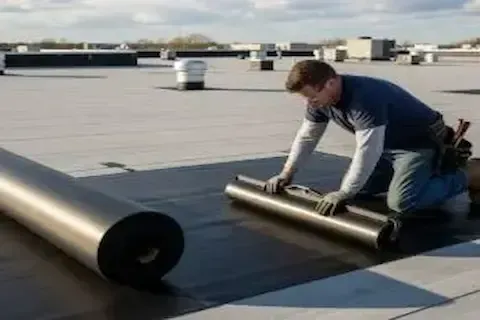
Installation quality directly correlates with system lifespan. Professional EPDM Roofing installation ensures proper adhesion, seam integrity, and flashing details that prevent premature failure modes common in substandard installations.
Climate-Specific Aging Patterns
Coon Rapids' location in Anoka County subjects EPDM membranes to specific environmental stressors that influence aging patterns. Winter freeze-thaw cycles create thermal expansion and contraction stresses that can compromise seam integrity over time. However, EPDM's flexibility allows it to accommodate these movements better than rigid roofing materials.
UV exposure remains moderate in Minnesota compared to southern climates, but summer periods still contribute to gradual membrane degradation. EPDM's carbon black content provides inherent UV protection, but surface chalking may occur after 15-20 years of exposure. This cosmetic change typically doesn't compromise waterproofing performance.
Wind uplift resistance proves crucial for commercial buildings in the region. EPDM systems properly ballasted or mechanically fastened maintain their integrity during severe weather events common to the upper Midwest. The membrane's tear resistance prevents wind damage that could lead to catastrophic failure.
Seam Performance and Maintenance Requirements
Seam integrity represents the most critical factor in EPDM system longevity. Properly executed seams using manufacturer-approved adhesives or tape systems maintain watertight performance throughout the membrane's service life. Regular inspection of seam areas allows early detection of potential issues before water penetration occurs.
Maintenance requirements for EPDM systems remain minimal compared to other commercial roofing options. Annual inspections should focus on seam condition, penetration flashings, and drainage system functionality. Prompt attention to minor issues prevents accelerated aging and extends overall system life.
Cleaning protocols help maintain membrane performance. Removing debris accumulation prevents ponding water situations that could stress seam areas. Power washing with appropriate cleaners removes environmental contaminants that might otherwise contribute to premature aging.
Common Performance Issues and Prevention
Puncture damage represents the most frequent cause of premature EPDM failure. Sharp objects, rooftop equipment installation, and maintenance activities can compromise membrane integrity. Implementing rooftop access protocols and using protection boards during maintenance activities prevents most puncture incidents.
Seam failure typically results from improper installation rather than material aging. Inadequate surface preparation, incorrect adhesive application, or poor environmental conditions during installation create weak points that may fail prematurely. Professional installation by certified contractors eliminates these risk factors.
Shrinkage issues occasionally affect older EPDM installations, particularly those using certain adhesive systems. Modern installation techniques and improved adhesives have largely eliminated this concern, but existing systems may require attention if edge lifting or seam stress becomes apparent.
For comprehensive information about EPDM system benefits and installation considerations, reference our detailed EPDM rubber roofing overview covering material properties and application methods.
Local Environmental Considerations
Coon Rapids' proximity to the Mississippi River creates microclimatic conditions that can influence roofing performance. Higher humidity levels during certain seasons may affect drying times for repair materials, but don't significantly impact installed EPDM membrane performance.
Snow load considerations prove important for commercial building design in Anoka County. EPDM's flexibility accommodates structural deflections under snow loading without cracking or splitting. The membrane's smooth surface also facilitates snow sliding, reducing accumulated loads on building structures.
Acid rain effects remain minimal in the region, but industrial emissions from nearby facilities could potentially impact membrane longevity. Regular cleaning and inspection protocols help identify any unusual degradation patterns that might require attention.
Professional Assessment and Replacement Planning
Professional roof assessments every 5-7 years help building owners track system condition and plan replacement timing. Experienced contractors can identify aging indicators before they compromise building protection, allowing proactive rather than reactive replacement decisions.
Replacement planning should consider building use, budget constraints, and seasonal timing. EPDM installation can proceed in most weather conditions, but optimal results occur during moderate temperatures and low humidity periods typically found in late spring and early fall.
Cost analysis should factor in the membrane's exceptional lifespan when comparing roofing options. EPDM's longevity and low maintenance requirements often provide superior lifecycle value despite potentially higher initial installation costs compared to short-term alternatives.
Long-Term Performance Expectations
Well-maintained EPDM systems in Coon Rapids regularly exceed their expected 20-30 year lifespan, with some installations providing reliable service for 35-40 years. This exceptional longevity results from the material's inherent stability and resistance to common failure modes affecting other roofing systems.
Performance typically remains consistent throughout the service life, with gradual changes in surface appearance but maintained waterproofing integrity. This predictable aging pattern allows building owners to plan maintenance and replacement activities with confidence in system reliability.
The proven track record of EPDM installations across Minnesota demonstrates the material's suitability for regional climate conditions. Commercial building owners in Coon Rapids can expect reliable long-term performance when systems are properly installed and maintained according to manufacturer recommendations.
