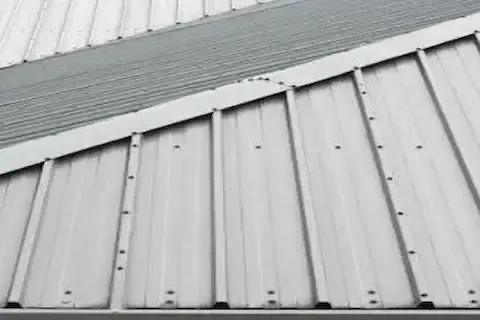
Metal Roofing Systems for Coon Rapids Commercial Sites
Understanding Metal Roofing Systems for Commercial Buildings
Metal roofing systems have become the preferred choice for commercial buildings throughout Coon Rapids and the greater Anoka County area. These systems offer superior durability, energy efficiency, and weather resistance that makes them ideal for Minnesota's challenging climate conditions. Your commercial property requires roofing solutions that can withstand heavy snow loads, ice formation, and temperature fluctuations that are common in our region.
Standing seam metal roofing represents one of the most advanced commercial roofing technologies available today. This system features interlocking panels that create a continuous weatherproof barrier across your entire roof surface. The raised seams prevent water infiltration while allowing for thermal expansion and contraction that occurs throughout Minnesota's seasonal temperature changes.
Screw-down metal panel systems provide another reliable option for commercial applications. These panels are mechanically fastened directly to the roof deck, creating a secure attachment that can resist high wind loads and severe weather conditions. The fastening pattern distributes structural loads evenly across the roof surface, ensuring long-term performance under various weather scenarios.
Material Options and Performance Characteristics
Steel roofing panels offer exceptional strength and durability for commercial installations in Coon Rapids. Galvanized steel provides corrosion resistance, while Galvalume-coated steel delivers superior longevity in harsh weather environments. These materials are engineered to handle Minnesota's freeze-thaw cycles without compromising structural integrity or weather protection.
Aluminum roofing systems provide lightweight alternatives that reduce structural loading on your commercial building. This material naturally resists corrosion and requires minimal maintenance over its service life. Aluminum's thermal properties also contribute to energy efficiency by reflecting solar heat during summer months while maintaining insulation performance during winter.
Color and finish options allow you to match your metal roofing system to your building's architectural design and aesthetic requirements. Modern coating technologies provide fade resistance and enhanced weather protection that maintains appearance and performance for decades. These finishes also contribute to energy efficiency through reflective properties that reduce cooling costs.
Metal Roofing Systems require careful consideration of panel profiles, gauge thickness, and attachment methods to ensure optimal performance for your specific building requirements and local climate conditions.
Snow Load and Weather Resistance Considerations
Minnesota's heavy snow loads require metal roofing systems designed to handle significant weight and ice formation. Standing seam systems excel in snow shedding due to their smooth surface and slippery metal characteristics. This natural snow removal reduces structural loading and prevents ice dam formation that can cause water infiltration and building damage.
Wind resistance becomes critical during severe weather events that frequently impact the Coon Rapids area. Properly installed metal roofing systems can withstand wind speeds exceeding 120 mph when correctly fastened and sealed. The interlocking nature of standing seam systems provides superior wind uplift resistance compared to traditional roofing materials.
Thermal cycling resistance ensures your metal roofing system maintains weatherproofing integrity through repeated expansion and contraction cycles. Minnesota experiences temperature swings of more than 100 degrees between winter and summer extremes. Quality metal roofing systems accommodate this movement without developing leaks or structural failures.
Ice formation and freeze-thaw cycles require special attention in metal roofing design and installation. Proper insulation and ventilation prevent ice dam formation while allowing natural snow shedding. These design considerations are essential for preventing water infiltration and maintaining building envelope performance throughout winter months.
Installation Methods and Structural Requirements
Structural evaluation precedes any metal roofing installation to ensure your building can support the new system's weight and wind loads. Commercial buildings in Coon Rapids must meet current building codes that specify minimum structural requirements for roofing systems. Professional assessment identifies any necessary structural reinforcement before installation begins.
Deck preparation involves creating a smooth, properly sloped surface that provides adequate drainage and support for the metal roofing system. This preparation includes installing appropriate underlayment materials that provide secondary weather protection and thermal barriers. Proper deck preparation prevents future problems and ensures optimal system performance.
Fastening patterns and attachment methods vary depending on the specific metal roofing system selected and your building's structural characteristics. Standing seam systems typically use concealed fasteners that attach to structural members through clip systems. Screw-down systems require exposed fasteners with gasket seals that must be properly torqued to prevent leaks.
Flashing and trim installation creates weatherproof transitions at roof penetrations, edges, and intersections. These components require careful attention to detail and proper sealing to prevent water infiltration. Quality flashing materials and installation techniques are essential for long-term weather protection and system performance.
Common Installation Mistakes and Prevention Strategies
Inadequate fastener spacing or improper fastener selection can lead to wind uplift failures and weather infiltration. Each metal roofing system has specific fastening requirements that must be followed exactly to maintain warranty coverage and ensure proper performance. Using incorrect fasteners or spacing can void manufacturer warranties and compromise system integrity.
Insufficient slope or drainage problems cause water ponding that can lead to premature failure of metal roofing systems. Commercial buildings require minimum slopes to ensure proper water drainage and prevent standing water accumulation. Poor drainage design creates conditions for accelerated corrosion and potential water infiltration.
Thermal bridging occurs when metal components create direct thermal connections between interior and exterior environments. This bridging reduces energy efficiency and can cause condensation problems that lead to corrosion and building envelope failures. Proper thermal breaks and insulation design prevent these issues.
Incompatible material combinations can create galvanic corrosion that rapidly degrades metal roofing components. Different metals in contact with each other can accelerate corrosion in the presence of moisture. Understanding material compatibility and using proper isolation techniques prevents these electrochemical reactions.
Local Climate Adaptation for Anoka County Conditions
Coon Rapids experiences severe winter conditions that require specific design considerations for metal roofing systems. Heavy snow loads, ice formation, and freeze-thaw cycles place unique demands on roofing materials and installation methods. Local contractors understand these conditions and design systems accordingly to ensure reliable performance throughout Minnesota winters.
Summer heat and humidity create different challenges that must be addressed in system design. Metal roofing can help reduce cooling costs through reflective properties, but proper ventilation and insulation prevent condensation problems during humid conditions. Balanced design approaches optimize year-round performance and energy efficiency.
Severe weather events including hail, high winds, and tornado activity require robust roofing systems that can withstand extreme conditions. Metal roofing typically performs better than other materials during these events, but proper installation and material selection remain critical for optimal protection. Local building codes reflect these regional weather patterns and establish minimum requirements for commercial installations.
For comprehensive weather protection solutions, many commercial property owners also consider roof coating system options as part of their overall roofing maintenance strategy to extend system life and enhance performance.
Energy Efficiency and Building Performance Benefits
Cool roof technology in metal roofing systems reduces energy consumption by reflecting solar radiation and reducing heat absorption. Light-colored metal roofing can lower surface temperatures by 30-50 degrees compared to traditional dark roofing materials. This temperature reduction translates directly into lower cooling costs during summer months.
Thermal mass characteristics of metal roofing systems contribute to stable interior temperatures and reduced energy consumption. The low thermal mass of metal allows quick response to temperature changes while proper insulation maintains comfort levels. This combination provides excellent energy performance throughout seasonal temperature variations.
Ventilation integration allows metal roofing systems to work with building HVAC systems to optimize indoor air quality and energy efficiency. Proper ventilation design prevents moisture problems while supporting overall building performance. These integrated approaches maximize the benefits of metal roofing investments.
Long-Term Performance and Maintenance Considerations
Metal roofing systems typically provide 30-50 years of reliable service when properly installed and maintained. This longevity makes them cost-effective choices for commercial buildings despite higher initial installation costs. The extended service life reduces replacement frequency and lifecycle costs compared to traditional roofing materials.
Maintenance requirements for metal roofing systems are minimal compared to other commercial roofing options. Regular inspections and minor repairs maintain optimal performance throughout the system's service life. Preventive maintenance programs identify potential problems before they become costly repairs or replacements.
Warranty coverage varies among manufacturers and installation contractors, but quality metal roofing systems typically include comprehensive protection against material defects and installation problems. Understanding warranty terms and maintaining compliance with manufacturer requirements protects your investment and ensures reliable performance.
Future modification capabilities allow metal roofing systems to accommodate building changes and equipment installations. The structural strength and accessibility of metal roofing make it easier to add HVAC equipment, solar panels, or other roof-mounted systems. This flexibility provides long-term value for evolving building requirements.
