Modified Bitumen Roofing for Coon Rapids Buildings
Understanding Modified Bitumen Roofing Systems
Modified bitumen roofing represents one of the most reliable flat roof solutions for commercial buildings throughout Coon Rapids and the broader Anoka County region. This advanced roofing system combines traditional asphalt with polymer modifiers to create a membrane that delivers superior flexibility, durability, and weather resistance compared to conventional built-up roofing systems.
The polymer modification process typically involves adding either APP (atactic polypropylene) or SBS (styrene-butadiene-styrene) to the asphalt base. APP-modified membranes are designed for torch application, while SBS-modified systems work well with both torch application and cold adhesive methods. This versatility makes modified bitumen an excellent choice for diverse building types across Coon Rapids commercial districts.
Property owners appreciate modified bitumen roofing because it provides exceptional puncture resistance and thermal stability. The multi-layer construction creates a redundant waterproofing system that can withstand Minnesota's harsh winter conditions and summer heat cycles without compromising performance.
Installation Methods for Modified Bitumen Systems
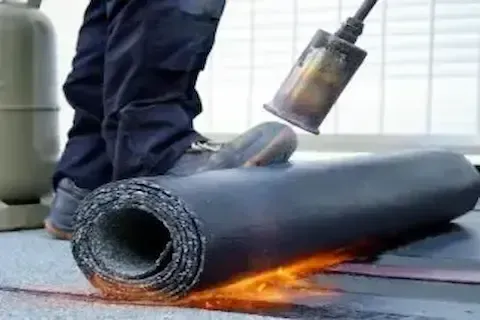
Modified bitumen roofing can be installed using three primary methods, each offering distinct advantages depending on building requirements and local conditions in Coon Rapids. The torch-applied method remains the most common installation technique, involving the use of an open flame torch to heat the membrane underside and create a strong bond with the substrate or base layer.
Self-adhered modified bitumen systems eliminate the need for torch application by incorporating a factory-applied adhesive backing. This method proves particularly valuable for buildings with fire restrictions or occupied spaces where torch work might pose concerns. The self-adhered installation process requires careful surface preparation and proper temperature conditions for optimal adhesion.
Cold-applied modified bitumen utilizes solvent-based or water-based adhesives to secure the membrane without heat application. This installation method offers excellent control over the adhesive application rate and provides flexibility in scheduling around weather conditions that might affect other installation methods.
Professional installation teams typically recommend the torch-applied method for most Coon Rapids commercial projects due to its proven track record and superior adhesion characteristics. However, building-specific factors such as fire codes, occupancy requirements, and structural considerations may dictate alternative installation approaches.
Performance Characteristics and Durability
Modified bitumen roofing systems demonstrate exceptional performance across multiple criteria that matter most to Coon Rapids building owners. The polymer modification process significantly enhances the material's flexibility, allowing the membrane to accommodate building movement and thermal expansion without cracking or splitting.
Temperature resistance represents a critical advantage for Minnesota commercial properties. Modified bitumen membranes maintain their integrity across a wide temperature range, from the extreme cold of Anoka County winters to the heat and UV exposure of summer months. This thermal stability translates to longer service life and reduced maintenance requirements.
The material's puncture resistance exceeds that of many alternative flat roofing systems, making it suitable for buildings with rooftop equipment, foot traffic, or potential impact from falling debris. The reinforcement layers within the membrane structure distribute stress loads effectively, preventing localized failures that could compromise the entire roofing system.
Water resistance capabilities stem from the multi-layer construction and the polymer-modified asphalt composition. When properly installed, modified bitumen roofing creates a continuous waterproof barrier that prevents moisture intrusion even under ponding water conditions common on flat commercial roofs.
Design Considerations for Coon Rapids Climate
Minnesota's continental climate presents specific challenges that influence modified bitumen roofing design decisions for Coon Rapids commercial buildings. Winter freeze-thaw cycles require careful attention to thermal movement joints and edge details to prevent membrane stress concentrations that could lead to premature failure.
Snow load considerations affect both the structural design and the roofing system selection. Modified bitumen's flexibility helps accommodate the dynamic loading conditions created by snow accumulation and ice formation, while the material's durability withstands the abrasive effects of ice movement across the roof surface.
Summer heat and UV exposure in the upper Midwest region necessitate proper surfacing selection for modified bitumen systems. Granulated cap sheets provide excellent UV protection and reflectivity, while smooth surfaced membranes may require additional protective coatings to achieve optimal service life in high-exposure applications.
Drainage design becomes critical for modified bitumen installations in Coon Rapids due to the potential for rapid snowmelt and intense summer precipitation. Proper slope design and strategic placement of drains, scuppers, and overflow devices ensure that water removal keeps pace with weather events throughout the year.
Common Installation Challenges and Solutions
Successful modified bitumen installation in Coon Rapids requires addressing several common challenges that can compromise system performance if not properly managed. Surface preparation represents the most critical factor, as any contamination, moisture, or substrate irregularities can prevent proper membrane adhesion.
Weather timing considerations become particularly important for Minnesota installations. Torch-applied systems require dry conditions and temperatures above certain thresholds for optimal results. Professional contractors schedule installation work around weather windows and maintain contingency plans for unexpected weather changes that could affect work quality.
Seam integrity demands meticulous attention during installation, as this represents the most vulnerable aspect of any modified bitumen roofing system. Proper overlap dimensions, consistent heat application, and thorough seam sealing techniques ensure that the membrane functions as a continuous waterproof barrier rather than a collection of individual sheets.
Detail work around penetrations, edges, and transitions requires specialized techniques and materials to maintain system integrity. Modified Bitumen Roofing installations must accommodate building-specific challenges such as HVAC equipment, skylights, and parapet walls while maintaining seamless waterproofing continuity.
Maintenance Requirements and Lifecycle Management
Modified bitumen roofing systems require systematic maintenance programs to achieve their full service life potential on Coon Rapids commercial buildings. Regular inspection schedules should focus on seam conditions, surface granule retention, and detail area integrity, particularly after severe weather events common in Minnesota.
Preventive maintenance activities include debris removal, drain cleaning, and minor repair work that prevents small issues from developing into major problems. The accessibility and repairability of modified bitumen systems make them well-suited for proactive maintenance approaches that extend system service life and protect building investments.
Professional maintenance programs typically include annual comprehensive inspections, semi-annual basic assessments, and post-storm evaluations. These systematic approaches help identify developing issues before they compromise building envelope integrity or require extensive commercial roof repair work.
Documentation of maintenance activities and system condition provides valuable data for lifecycle planning and helps building owners make informed decisions about repair versus replacement timing. Proper maintenance records also support warranty compliance and insurance requirements that may apply to commercial properties in Anoka County.
Cost Considerations and Value Analysis
Modified bitumen roofing systems offer competitive lifecycle value for Coon Rapids commercial properties when evaluated on a total cost of ownership basis. Initial installation costs typically fall between those of built-up roofing and single-ply membrane systems, while providing performance characteristics that often justify the investment.
The durability and repairability of modified bitumen systems contribute to lower long-term maintenance costs compared to some alternative flat roofing options. The ability to perform localized repairs without replacing entire sections reduces disruption to building operations and minimizes repair expenses over the system's service life.
Energy performance considerations may influence the overall value proposition, particularly for buildings with high heating and cooling loads. Reflective surfacing options for modified bitumen systems can contribute to reduced energy consumption and may qualify for utility rebates or tax incentives available in Minnesota.
Insurance considerations sometimes favor modified bitumen roofing due to its fire resistance characteristics and proven performance record. Some insurance providers offer premium reductions for buildings with certain roofing systems, making it important to evaluate these potential savings when comparing roofing alternatives for Coon Rapids commercial properties.
Professional Installation and Quality Assurance
The success of any modified bitumen roofing project in Coon Rapids depends heavily on professional installation practices and quality control measures throughout the construction process. Experienced contractors understand the nuances of working with modified bitumen materials under Minnesota climate conditions and can adapt installation techniques to optimize system performance.
Quality assurance programs should include material verification, installation monitoring, and post-installation testing to ensure that the completed system meets design specifications and performance expectations. These measures provide building owners with confidence in their roofing investment and help prevent issues that could compromise system integrity.
Professional installation teams maintain current certifications from modified bitumen manufacturers and participate in ongoing training programs that keep them informed about evolving materials and techniques. This expertise proves particularly valuable when addressing complex building geometries or challenging installation conditions common in commercial roofing projects.
Proper installation documentation supports warranty compliance and provides valuable reference information for future maintenance and repair activities. Comprehensive project records should include material certifications, installation photographs, and system specifications that will benefit building owners throughout the roofing system's service life.
