TPO vs EPDM Comparison for Coon Rapids Property Owners
TPO offers superior heat-welded seams and reflectivity for energy savings, while EPDM provides proven durability and easier repairs. For Coon Rapids commercial properties, TPO typically costs 10-15% more initially but delivers better long-term energy performance in Minnesota's climate. EPDM remains the reliable choice for budget-conscious property owners seeking 20+ year performance with minimal maintenance requirements.
What are the main differences between TPO and EPDM roofing membranes?
TPO (Thermoplastic Polyolefin) and EPDM (Ethylene Propylene Diene Monomer) represent the two dominant single-ply roofing systems for flat and low-slope commercial buildings. TPO features a white reflective surface that heat-welds at seams, creating watertight bonds stronger than the membrane itself. EPDM uses black rubber construction with adhesive or tape seam connections that allow for thermal expansion and contraction.
Material composition drives their performance differences. TPO incorporates reinforcing scrim between thermoplastic layers, enabling heat welding that eliminates potential leak points at seams. EPDM relies on synthetic rubber formulation that remains flexible across temperature extremes but requires mechanical fastening or adhesive attachment methods.
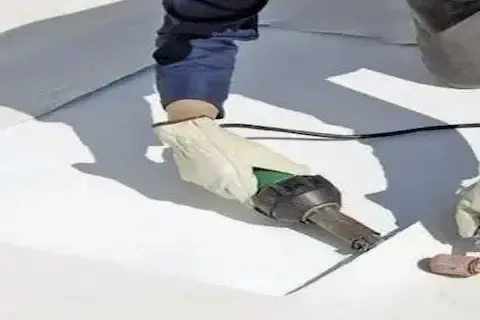
Installation techniques vary significantly between systems. TPO Roofing installation requires specialized hot-air welding equipment and certified technicians to achieve proper seam integrity. EPDM installation focuses on precise membrane positioning and seam preparation using contact adhesives or pre-applied tape systems.
How do TPO and EPDM compare in terms of cost for Coon Rapids buildings?
Initial material costs favor EPDM by approximately 10-15% compared to TPO systems. EPDM membrane pricing ranges from $3.50-$5.00 per square foot for materials, while TPO typically costs $4.00-$6.00 per square foot. Installation labor costs remain comparable between systems when using experienced contractors familiar with both technologies.
Long-term cost considerations shift the comparison toward TPO advantages. Energy savings from TPO's reflective properties can reduce cooling costs by 15-25% during Coon Rapids summer months. These savings accumulate over the membrane's 20-25 year lifespan, often offsetting the higher initial investment within 7-10 years of installation.
Maintenance costs tend to favor EPDM due to simpler repair procedures. EPDM punctures or seam issues can often be addressed with patch applications and rubber cement, while TPO repairs require heat welding equipment and specialized training for permanent solutions.
Which membrane performs better in Minnesota's climate conditions?
Minnesota's extreme temperature cycles create unique challenges for flat roof membranes. TPO maintains superior dimensional stability during temperature fluctuations, with heat-welded seams that resist separation during thermal expansion cycles. The white surface reflects solar radiation effectively, reducing thermal stress on the entire roof assembly during hot summer periods.
EPDM demonstrates exceptional cold weather flexibility, remaining pliable at temperatures well below zero degrees Fahrenheit. This flexibility helps the membrane accommodate building movement and thermal cycling without cracking or splitting. However, the black surface absorbs significant solar heat, creating higher membrane temperatures and accelerated aging in direct sunlight.
Snow load considerations favor TPO's smooth surface texture that promotes easier snow shedding compared to EPDM's slightly textured finish. TPO roofing for commercial buildings also resists ponding water damage more effectively due to superior seam integrity and chemical resistance properties.
What are the expected lifespans of TPO versus EPDM systems?
EPDM systems typically deliver 20-25 year performance when properly installed and maintained. The synthetic rubber formulation resists ozone deterioration and UV degradation that affects other roofing materials. Many EPDM installations in Anoka County have exceeded their expected lifespan with routine maintenance and periodic seam inspections.
TPO technology has evolved significantly since early formulations experienced premature failures. Modern TPO membranes with proper formulation achieve 20-year warranties and expected lifespans of 22-28 years. The heat-welded seam technology eliminates the gradual seam deterioration common with other single-ply systems.
Membrane thickness affects longevity for both systems. Standard 60-mil TPO and 60-mil EPDM provide adequate durability for most commercial applications. Upgrading to 80-mil thickness adds 3-5 years of expected performance for either system, justifying the additional cost for buildings requiring extended service life.
How do repair and maintenance requirements differ between TPO and EPDM?
EPDM repairs require basic tools and materials available from roofing suppliers. Punctures, tears, and seam separations can be addressed using rubber cement, patch material, and proper surface preparation. Many building maintenance staff can handle minor EPDM repairs with appropriate training and safety equipment.
TPO repairs demand specialized hot-air welding equipment and trained technicians for permanent solutions. Temporary repairs using compatible tape systems provide short-term protection, but heat welding ensures long-term performance. This requirement increases repair costs but delivers superior repair integrity compared to adhesive-based solutions.
Preventive maintenance schedules remain similar for both systems. Annual inspections should focus on seam integrity, penetration sealing, and drainage system performance. EPDM membranes benefit from periodic cleaning to remove accumulated dirt and debris, while TPO's smooth surface typically maintains its appearance with minimal maintenance intervention.
