
Industrial and Commercial Flat Roof Replacement for Fridley MN Building Owners
EPDM and Modified Bitumen Replacement for Fridley Industrial Stock
The commercial and industrial building stock along Fridley's Highway 65 corridor and its established industrial zones carries a different maintenance profile than newer suburban commercial markets. Many of these properties were constructed during the industrial development period of the 1960s through the 1980s, when modified bitumen and built-up roofing assemblies were the standard flat roof specification. Those systems are now 35 to 50 years into their service life—a range that places most of them well past original design expectations, with varying degrees of documented maintenance history. Industrial buildings in Fridley add complexity to commercial roofing work that is not present in standard retail or office environments. Rooftop HVAC equipment, process ventilation systems, exhaust fans, and utility penetrations create a denser field of potential failure points at flashings and curb connections. As these buildings age and equipment gets upgraded or relocated, the cumulative history of penetrations and resealing creates areas of compounded vulnerability that surface inspection alone cannot fully characterize. Ponding water is a persistent concern across Fridley's older flat-roof inventory. Buildings constructed before current drainage slope standards were established often rely on internal drains serving large roof areas—and drain deterioration combined with debris accumulation can create standing water conditions that accelerate membrane degradation across entire sections and cause premature system failure well before the surrounding membrane reaches end of service life.
Commercial Roofing Systems for Fridley MN Properties
Multi-tenant industrial and commercial properties in Fridley operate under conditions that amplify the financial impact of deferred roofing maintenance. When a single warehouse or manufacturing facility serves multiple tenants, a roofing failure affecting one space has lease and liability implications that extend well beyond the direct cost of repair. Building owners managing occupied industrial properties have limited flexibility to defer repairs without triggering tenant notifications and creating potential lease dispute situations. The replacement cycle underway in Fridley's industrial building inventory is not a future event—it is occurring across the Highway 65 corridor and the established business parks adjacent to the I-694 interchange. Property owners who approach replacement planning proactively, with scoped bids, permit filings, and installation scheduled in advance, are managing replacement at predictable cost. Those who wait for emergency conditions face premium pricing, compressed timelines, and interior damage costs that planned replacement would have avoided entirely. Commercial roofing replacement for Fridley industrial buildings requires thorough deck assessment before tear-off determines whether overlay or full replacement is the appropriate specification. Buildings with modified bitumen systems showing advanced seam separation, widespread surface degradation, or documented ponding history are typically past the point where restoration coatings remain a viable option—full membrane replacement with updated insulation and drainage correction is the appropriate scope for these properties.
EPDM and TPO Replacement for Industrial Flat Roofs
Replacing aging modified bitumen and built-up roofing systems in Fridley's industrial buildings with modern TPO or EPDM membrane involves more than material substitution—it requires assessing what 35 to 50 years of service have done to the underlying deck and insulation before specifying the replacement system. Deck deflection, moisture accumulation in existing insulation, and internal drain condition all influence whether a direct overlay is appropriate or whether full tear-off and deck repair is required. EPDM is the established standard for large industrial roof areas in cold climates. Its proven flexibility at sub-zero temperatures prevents the seam and membrane cracking that more rigid systems can develop through freeze-thaw cycling in Anoka County winters. For Fridley industrial buildings with large uninterrupted roof areas and moderate rooftop equipment loads, EPDM provides reliable performance across the 20 to 30 year service life of a properly installed and maintained system. TPO systems are increasingly specified for Fridley commercial replacements where UV exposure, chemical resistance, or energy performance is a priority. Heat-welded TPO seams eliminate the adhesive bond degradation that affects older EPDM lap seams over time, and white TPO reflectivity reduces cooling load in buildings where rooftop solar gain is a meaningful operational cost factor. System selection for industrial applications in Fridley is driven by building use, equipment configuration, drainage design, and replacement budget—not by a standard specification applied uniformly across different building types and operational profiles.
Emergency Roofing and Repair for Fridley Industrial Properties
Emergency roof repair for Fridley industrial properties requires rapid response capability and contractors equipped for the specific materials common in the older building stock. Modified bitumen systems, built-up roofing assemblies, and aging EPDM installations each require different repair approaches—contractors equipped only for new TPO installation may not carry the materials needed for effective temporary or permanent repair on older industrial systems. Active water intrusion in Fridley industrial buildings carrying warehouse inventory, manufacturing equipment, or active production operations creates compounding damage that extends well beyond roof repair cost. Emergency tarping and temporary membrane patching stabilize the immediate situation while a thorough assessment determines the appropriate permanent repair or replacement scope. For buildings where active production cannot be interrupted, emergency repair sequencing must account for operational continuity—access routes, material staging, and work sequencing are coordinated around building operations. Preventive maintenance for Fridley industrial properties involves inspection protocols suited to high-penetration roofing environments. Each rooftop mechanical penetration, equipment curb, and utility sleeve is a potential failure point requiring individual inspection rather than general surface assessment. Documentation of each penetration condition creates a repair priority list that allows building owners to address developing failures in order of risk before emergency conditions develop. Industrial rooftop maintenance programs that include penetration-level documentation consistently reduce annual repair expenditure compared to facilities managed without structured inspection records.
Large-Scale Replacement Planning for Fridley Commercial Buildings
Large-scale flat roof replacement planning for Fridley industrial properties involves project scope considerations that differ substantially from standard commercial retail or office replacement work. Industrial roof areas commonly range from 20,000 to over 100,000 square feet, requiring project sequencing, material staging logistics, and crew coordination that are not applicable to smaller commercial jobs. Deck assessment before replacement specification is critical for Fridley's older industrial buildings. Built-up roofing assemblies from the 1970s and 1980s frequently accumulated multiple re-covering layers over their service life—some buildings carry three or four membrane layers above the original deck. Structural loading from accumulated roofing mass must be evaluated against building load capacity before any additional overlay is specified. Where accumulated weight has approached structural limits, full tear-off with deck inspection and repair is the required approach regardless of membrane surface condition. Replacement budget development for Fridley industrial buildings requires a line-item scope that accounts for tear-off and debris disposal at scale, deck repair where deterioration is found, insulation upgrade to current standards, new membrane installation, flashing replacement across all penetrations and equipment curbs, and drain replacement or modification where drainage performance has been inadequate. A complete and accurate replacement scope prevents the budget overruns that result from compressed assessment timelines and underbid project scopes.
Comprehensive Commercial Roofing Services in Coon Rapids
Tailored to Your Needs
From emergency flat roof repair to full TPO membrane replacement and standing seam metal panel installation, we serve commercial property owners across the Coon Rapids Highway 10 corridor and Anoka County with the complete commercial roofing service stack.
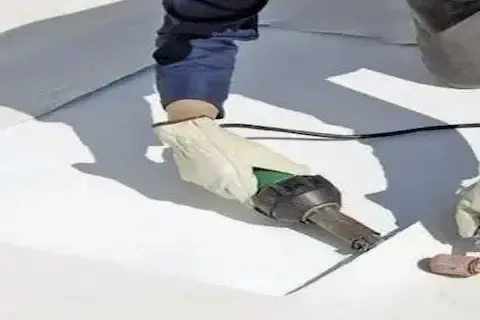
TPO membrane systems for commercial flat roofs on the Highway 10 corridor—heat-welded seams, cold-weather performance, and honest replacement cycle guidance for Coon Rapids property owners.
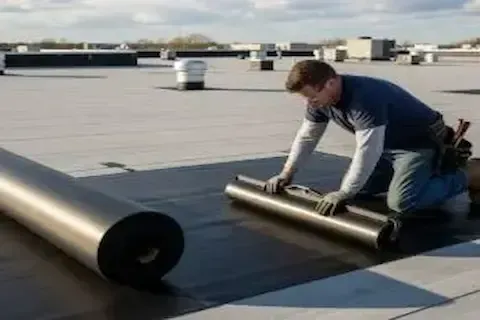
EPDM rubber roofing for Anoka County commercial buildings—proven 40-year track record in Minnesota winters with fully adhered and ballasted installation options.
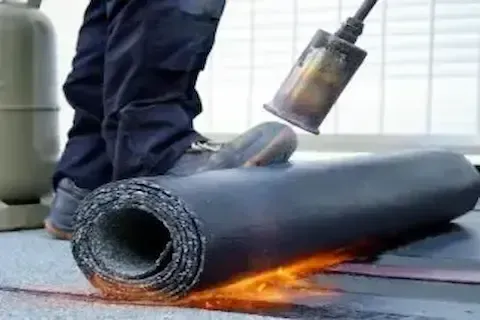
Modified bitumen roofing assessment and replacement for 1980s-vintage commercial buildings on the Coon Rapids and Anoka County commercial corridors.
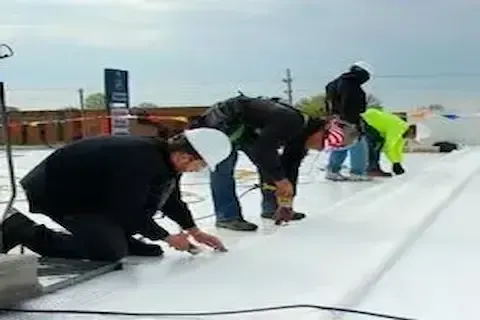
Same-day commercial roof leak response for Coon Rapids businesses—flashing repairs, seam patches, drain clearing, and temporary protection while permanent fixes are planned.
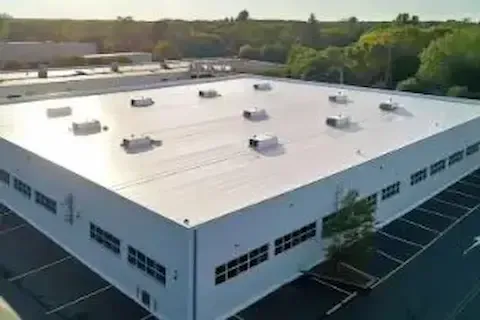
Full commercial flat roof replacement for end-of-life systems across Anoka County—permit management, system selection, and installation with no shortcuts.
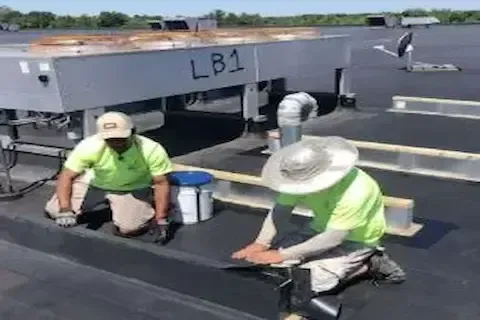
Documented commercial roof inspections for Coon Rapids property managers—written condition reports, prioritized repair recommendations, and remaining service life estimates.
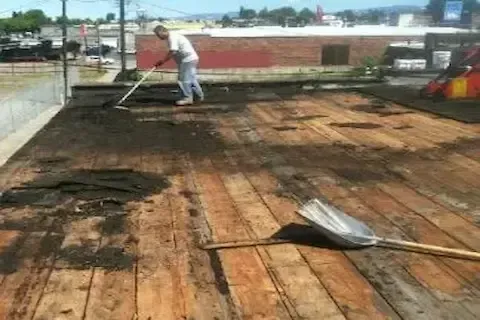
New commercial flat roof installation for Anoka County construction projects—TPO, EPDM, and modified bitumen systems installed to specification with full permit compliance.
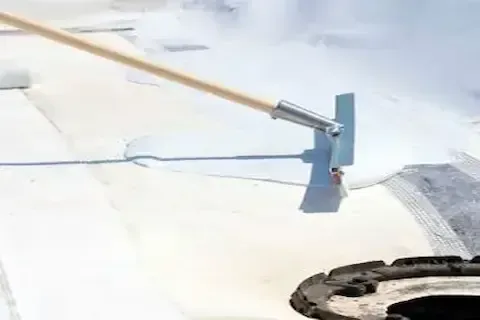
Silicone and acrylic roof coating restoration for qualifying commercial buildings—extend service life 10 to 15 years at 40 to 60 percent of full replacement cost.
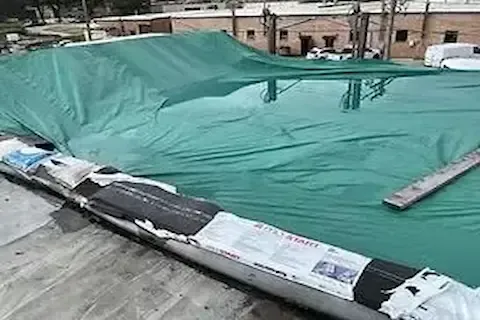
Emergency commercial storm damage response for Coon Rapids and Anoka County—carrier-ready documentation, temporary protection, and complete repair or replacement.
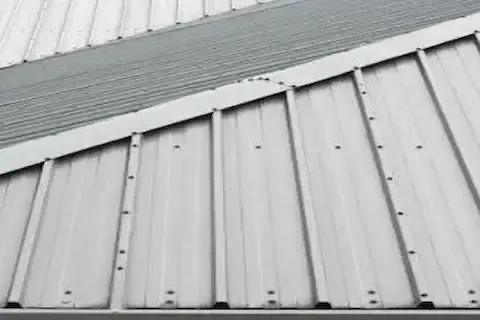
Standing seam and exposed fastener metal panel systems for commercial and industrial buildings across the Coon Rapids area—40-plus-year performance with minimal maintenance.
Frequently Asked Questions
Commercial Roofing can be complex, and we’re here to provide answers to common questions. Here are some frequently asked questions from our clients.
Frequently Asked Questions about Commercial Roofing Coon Rapids MN
What types of commercial roofing systems do you install in Coon Rapids, MN?
We install TPO, EPDM, modified bitumen, metal panel systems, and silicone roof coating restoration systems. For the 1980s-vintage commercial stock along the Highway 10 corridor, we assess whether coating restoration or full membrane replacement is the right call for each specific roof condition and budget before any project is proposed.
How long does a commercial roof replacement take in Coon Rapids?
Most commercial flat roof replacements in Coon Rapids take three to seven business days for mid-size buildings in the 5,000 to 20,000 square foot range. We schedule commercial projects to minimize disruption to tenants and building operations, and pull all required Anoka County permits before any crew mobilizes to the roof.
What are the signs my commercial flat roof needs repair or replacement?
Standing water that remains more than 48 hours after rain, blistering or bubbling membrane, interior ceiling stains, and seam or flashing separations are the most common indicators. For 1980s-era buildings along the Highway 10 corridor, age alone is a strong trigger—modified bitumen systems from that era are at or past their designed service life.
Do you handle insurance claims for commercial storm damage in Anoka County?
Yes. We document commercial storm damage for Anoka County insurance claims with time-stamped photos, written damage scope, hail size verification from public weather records, and carrier-formatted repair or replacement estimates. Hail events along the I-94 and Highway 10 corridors are well-documented and we understand what adjusters need to process commercial claims efficiently.
Is TPO or EPDM roofing better for commercial buildings in Minnesota?
Both perform well in Minnesota climates. TPO offers better UV resistance and is typically lower cost per square foot installed, making it the dominant specification for commercial re-roofing projects. EPDM has a longer proven track record in cold climates and is preferred where cold-weather flexibility is the priority. We assess each roof individually and recommend the right system for your building type and budget.
How often should a commercial flat roof be inspected in Coon Rapids, MN?
Twice per year is standard for commercial flat roofs in Minnesota—spring post-thaw and fall pre-winter. Buildings with older membrane systems, significant rooftop equipment loads, or history of ponding water benefit from quarterly inspections. We offer scheduled inspection programs for commercial property owners throughout Coon Rapids and Anoka County.
Need Commercial Roofing?
What Our Satisfied Clients Have to Say About Coon Rapids Commercial Roofing
We pride ourselves on delivering great results and experiences for each client. Hear directly from home and business owners who’ve trusted us with their Commercial Roofing needs.

We had an aging flat roof on our retail strip along Highway 10 that three contractors quoted as a full tear-off. This team inspected it properly and recommended a coating restoration that saved us over $40,000. They know commercial roofs.
Dave Kowalski
After a hail event in Anoka County we needed a commercial roofer who understood the insurance documentation process for our warehouse. They handled inspection, documentation, and carrier coordination without us managing a single detail.
Linda Gustafson
We own several commercial properties in Coon Rapids and have dealt with contractors who treat commercial like oversized residential jobs. These guys know flat roofs. TPO installation was clean, on schedule, and permitted correctly the first time through.
Tom Brennan
The Trusted Commercial Roofing Expert Near You
Ready to hear more about expert services at Coon Rapids Commercial Roofing?
Contact us today to receive a detailed, no-obligation quote.

Coon Rapids & the Twin Cities metro
Monday-Friday: 9am-5pm, Saturday: 11am-3pm
